
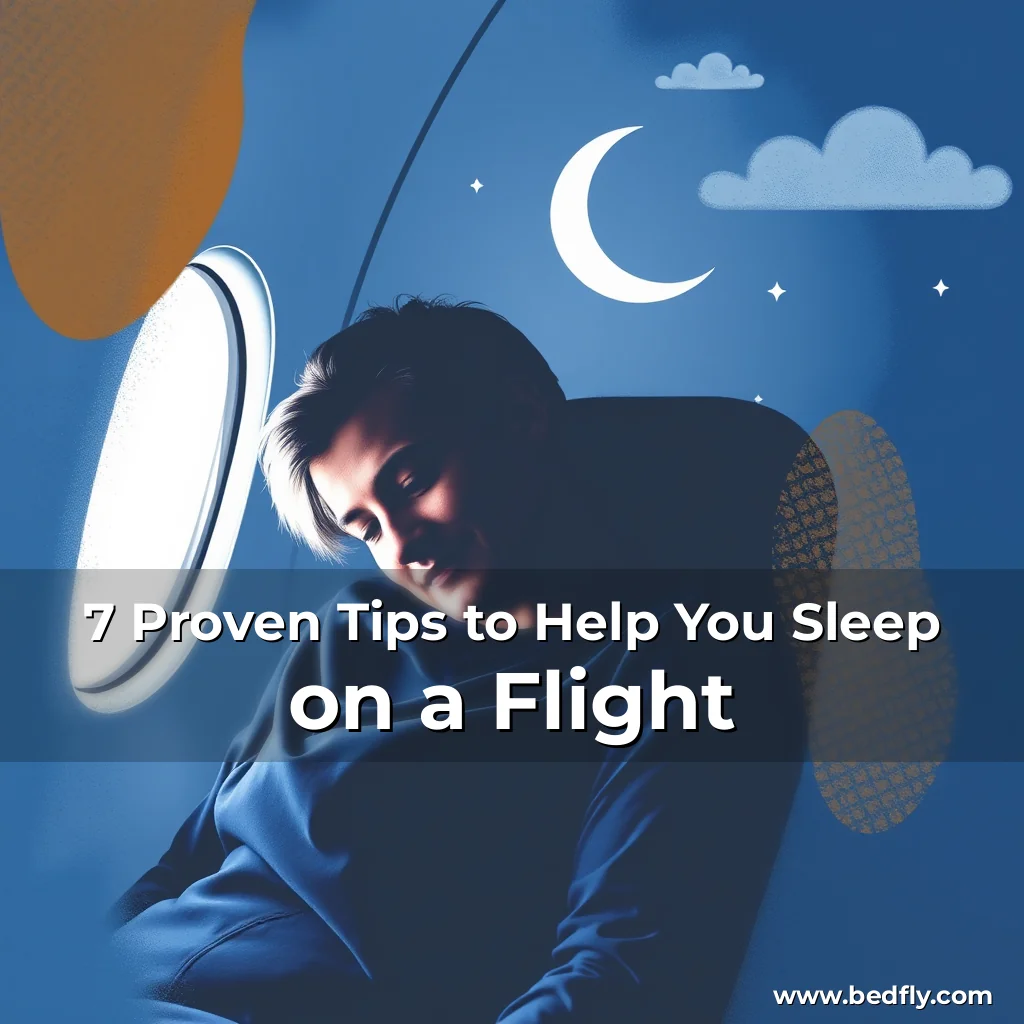
Sleeping on a plane can be a challenge, but with the right strategies, you can increase your chances of getting a good night’s sleep. Whether you’re traveling across time zones or simply need a break from the constant hum of the aircraft, these tips can help you drift off to dreamland.
The Power of Pre-Flight Exercise
Before you even board the plane, take a short walk around the airport to get your blood flowing. This simple exercise can help you sleep better, thanks to studies that show even 30 minutes of moderate exercise can improve sleep quality. Martin Seeley, CEO and sleep expert at Online Bed Retailer MattressNextDay, advises using this energy to walk around the airport before your flight. He says: “A short walk before getting on your flight can also help you sleep better once you’ve settled in. It’s a great way to get your body ready for rest.”
Seating Matters
When it comes to seating, Martin has a few tips to share. For one, booking a seat above the engine can help you sleep better. The gentle hum of the engine can act as white noise, while the vibrations can create a soothing environment.
| Seat Location | Benefits |
|---|---|
| Seat above the engine | White noise, vibrations, and less turbulence |
| Seat near the lavatory | Less disturbance from other passengers |
A Sleep Kit is Essential
Martin recommends creating a sleep kit before you arrive at the airport. This kit should include essentials like flight socks, an eye mask, and a good memory foam travel pillow. The flight socks can help prevent fluid buildup in your legs, while the eye mask can block out harsh cabin lights.
What to Pack in Your Sleep Kit
- Flight socks
- Eye mask
- Good memory foam travel pillow
The Importance of Clock Change
If you’re traveling across time zones, changing your clock before you board can make a big difference. Martin advises setting your watch to your destination’s time as soon as you board. This can help your body’s circadian rhythm adjust to the new time zone, making it easier to sleep at the right times during your journey.
No Noise, No Sleep
When it comes to noise cancellation, Martin advises against using wireless earphones. Instead, opt for noise-cancelling headphones. These can help block out distracting sounds and create a peaceful bubble around you.
Why Noise-Cancelling Headphones are Better
“Noise-cancelling headphones are less likely to fall out while you’re sleeping, and many offer excellent noise-cancelling features to block out that cabin chatter,” says Martin.
Dress for Comfort
Finally, Martin says that your outfit choice matters when it comes to sleeping on a plane. Wear loose-fitting clothes that allow for better blood circulation and give you the freedom to find a comfortable position in those cramped seats.
The Benefits of Comfortable Clothing
“Tight clothes can restrict movement and cause pressure points, which can wake you up during the flight,” says Martin. By dressing comfortably, you’re giving your body the best chance to relax and sleep well.
No Alcohol, Please
Finally, Martin advises against drinking alcohol on the plane. While it may make you feel sleepy initially, it can actually disrupt your sleep quality and lead to lighter, less restorative sleep.
Stay Hydrated
“Alcohol can interfere with your sleep cycles, leading to lighter, less restorative sleep,” says Martin. Stick to water instead and prioritize hydration to help prevent that annoying scratchy throat and ensure healthy blood circulation during long flights.

news is a contributor at BedFly. We are committed to providing well-researched, accurate, and valuable content to our readers.
You May Also Like



Related Articles