

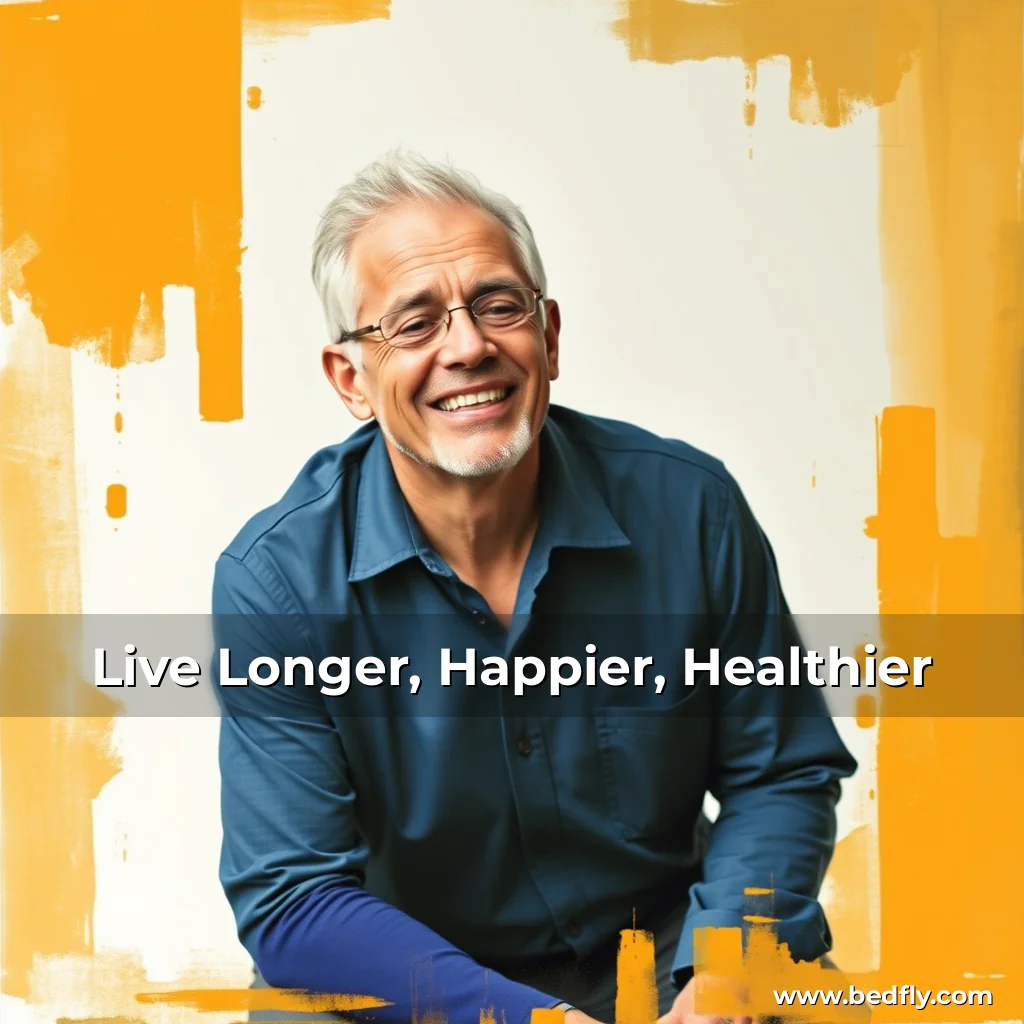
Here are some of the experts’ suggestions on how to live longer, happier, and healthier lives.
Work Out. It Doesn’t Matter Where
High-end gyms might have personal trainers and fancy biometric measurements to track your heart rate and blood oxygen levels. But it’s the exercise itself that’s proven to extend your health and lifespan, said Roger Fielding, a senior scientist at the USDA Human Nutrition Research Center on Ageing at Tufts University.
- Cardio exercise and strength training are both linked to lower mortality because they reduce your risk of cardiovascular disease.
- Just walking 30 minutes per day around your neighbourhood can significantly reduce your risk.
- Doing higher intensity workouts or resistance training using dumbbells at home can also be beneficial.
The American Heart Association recommends at least 150 minutes per week of moderate intensity aerobic exercise or 75 minutes of vigorous aerobic exercise to prevent cardiovascular disease. But “any level of physical activity” is better than none, Fielding said.
A Healthy Diet Beats Supplements
People try all sorts of eating strategies to extend their life span: calorie restriction, fasting, ketogenic diets, and supplementing with vitamin or protein “bundles” or “stacks,” to name a few. Some of those practices – like calorie restriction and intermittent fasting – have been shown to help mice live longer, but researchers still don’t know if they have the same effect in humans.
- Most of the supplement stacks sold or touted by anti-ageing influencers haven’t been sufficiently studied for their safety or longevity claims.
- Diets based on whole grains, fruits and vegetables, lean proteins, and other unprocessed foods can reduce your risk of cardiovascular disease and extend lifespan.
Eating healthily can be expensive, so it’s recommended to swap fresh fruits and vegetables and lean proteins for frozen ones, which can be “just as nutritious”, said Anne-Julie Tessier, a dietitian and assistant nutrition professor at the University of Montreal.
Aim for Seven Solid Hours of Sleep
Research has shown that consistent, quality sleep is associated with a longer life. But while addressing poor sleep issues can be frustrating, there’s “no strong evidence” that sleep trackers or pricey private sleep clinics, which sometimes include genomic tests and sleep scans, can help get you there without any other major lifestyle changes, said Dr Brienne Miner, an assistant professor at Yale School of Medicine who specialises in ageing and sleep.
| Benefits of Sleep | Estimated Benefits |
|---|---|
| Reduced risk of chronic diseases | Reduced mortality risk |
| Improved mental health | Improved mood and reduced stress |
Studies suggest that around seven hours of mostly uninterrupted sleep each night seems to be the sweet spot for staving off health risks, Miner said. To achieve a solid seven hours, having a consistent sleeping and waking schedule, exercising and socialising regularly, and avoiding alcohol are key.
Train Your Brain to Be More Optimistic
Your mindset and the way you feel go a long way toward living longer: scientists know depression and loneliness increase mortality risk. To improve mental health, some anti-ageing enthusiasts consider things like ketamine therapy or psychedelic retreats.
“If journaling or therapy isn’t for you, surrounding yourself with friends and family can also promote longevity by boosting your mood and lowering stress,” said Judith Carroll, an associate professor of psychiatry and biobehavioural sciences at UCLA.
Emerging research suggests optimism can extend your lifespan – and you can cultivate it yourself with daily writing exercises or talk therapy, said Laura Kubzansky, a professor of social and behavioural sciences at the Harvard T.H. Chan School of Public Health, who co-authored the research.
Check if It’s Working
Some longevity influencers tout “biological age” tests, which, for around US$100 or more, can estimate the health of your cells and how they’re ageing over time from a blood or saliva sample. There are numerous tests on the market today, but experts say they’re imprecise measures that typically only reflect chemical modifications to your DNA, and that each test calculates biological age slightly differently.
- Estimated health of your cells
- Estimated ageing over time
- Blood or saliva sample required
- Priced around US$100 or more
“Would I be spending lots of money” on unproven, under-researched products to delay ageing instead of adopting healthier habits?

news is a contributor at BedFly. We are committed to providing well-researched, accurate, and valuable content to our readers.
You May Also Like



Related Articles