

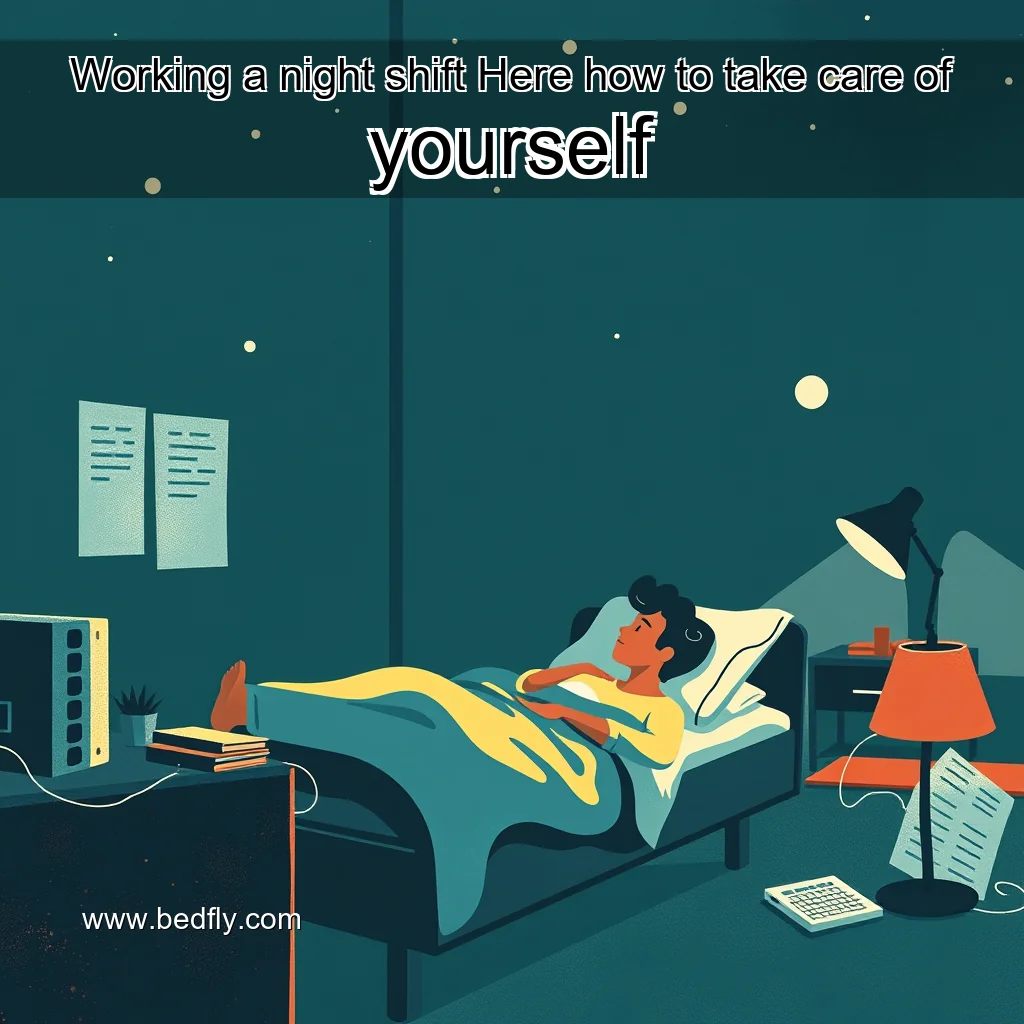
The effects of shift work on sleep and overall well-being can be severe and long-lasting.
The Impact of Shift Work on Sleep
Shift work can disrupt the body’s natural circadian rhythm, leading to insomnia, daytime fatigue, and other sleep-related problems. The most common shift schedules are night shifts, which involve working at night and sleeping during the day.
The Challenges of Shift Work
Shift workers often face unique challenges when it comes to maintaining a healthy lifestyle. One of the most significant concerns is the disruption of their natural circadian rhythms.
The Impact of Night Shifts on Personal Relationships
Night shifts can have a profound impact on personal relationships, affecting not only romantic relationships but also friendships and family dynamics. The disruption of the body’s natural circadian rhythm can lead to feelings of isolation, disconnection, and fatigue, making it challenging to maintain healthy relationships. Strained Family Dynamics: Night shifts can lead to conflicts with family members, particularly children, who may feel neglected or abandoned due to the parent’s unusual work schedule. This can result in feelings of guilt, anxiety, and stress for both the parent and child. Social Isolation: The night shift can make it difficult to participate in social activities, leading to feelings of loneliness and disconnection. This can be particularly challenging for individuals who rely on social interactions for emotional support and connection. * Impact on Romantic Relationships: Night shifts can also affect romantic relationships, leading to conflicts and misunderstandings.
Preparing Healthy Foods for Shift Work
As a shift worker, it can be challenging to maintain a healthy diet due to the irregular schedule and limited time for meal preparation. However, with some planning and creativity, it is possible to prepare healthy foods that are easy to bring to work.
The Importance of Sleep and Caffeine Management
Sleep and caffeine are two essential components of a healthy lifestyle. While caffeine can provide a temporary energy boost, excessive consumption can lead to negative effects on sleep quality and overall well-being.
The Impact of Caffeine on Sleep
Caffeine is a stimulant that can interfere with sleep patterns. Consuming caffeine in large amounts or too close to bedtime can disrupt sleep quality, making it difficult to fall asleep or stay asleep throughout the night. This is because caffeine blocks the action of adenosine, a chemical that helps regulate sleep. Caffeine can also lead to lighter, less restorative sleep, which can negatively impact physical and mental health. Additionally, caffeine can cause insomnia, daytime fatigue, and other sleep-related problems.*
The Importance of Sleep
Sleep is a vital component of overall health and well-being. During sleep, the body repairs and regenerates tissues, builds bone and muscle, and strengthens the immune system.
Employers can also help by providing flexible scheduling options, such as telecommuting or flexible hours, to accommodate the unique needs of night-shift workers.
The Challenges of Working Night Shifts
Working night shifts can be challenging for many reasons. One of the most significant challenges is the disruption of the body’s natural circadian rhythm. The human body has an internal clock that regulates our sleep-wake cycle, and working night shifts can throw this clock off balance. This can lead to a range of negative effects, including fatigue, decreased productivity, and increased risk of chronic diseases such as diabetes and heart disease.
The Impact on Sleep
Sleep is essential for physical and mental health, and working night shifts can significantly impact sleep quality. Night shift workers often experience:
She is unsure if she would work those hours again.
The Unsettling Reality of Working Long Hours
Working long hours is a common phenomenon in many industries, particularly in the service sector. It’s a reality that many employees face, often without much consideration or support from their employers.

Related Articles