

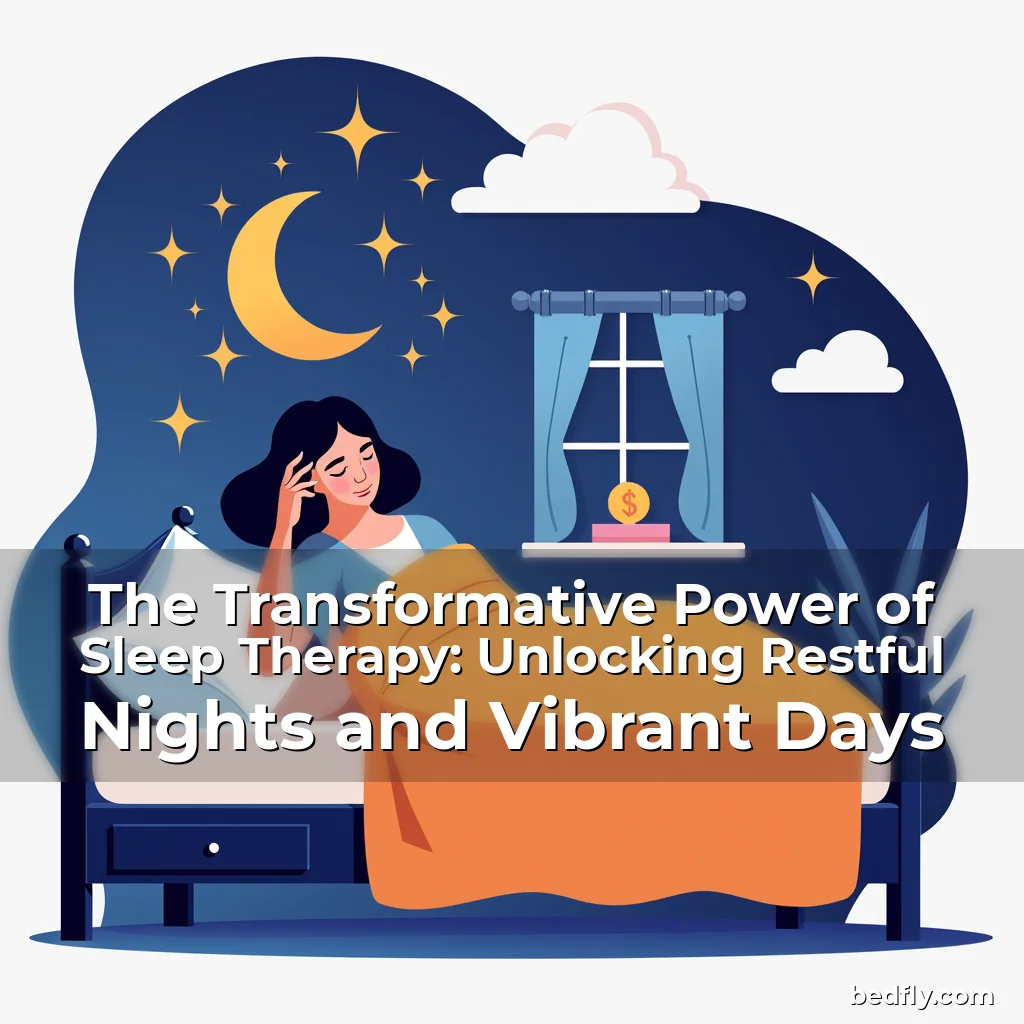
The Transformative Power of Sleep Therapy: Unlocking Restful Nights and Vibrant Days
Sleep therapy is an emerging field that explores how restorative sleep can heal both body and mind. As modern life becomes increasingly demanding, many individuals are turning to structured approaches to enhance their sleep quality. This guide delves into the science behind sleep therapy, its benefits, practical techniques, and how you can incorporate these strategies into your daily routine.
From cognitive behavioral interventions to lifestyle adjustments, sleep therapy offers a holistic approach to tackling insomnia and other sleep disorders. Whether you’re struggling with chronic fatigue or simply seeking better nighttime routines, understanding the principles of sleep therapy can be transformative.
Understanding the Science Behind Sleep Therapy
Sleep is not merely a passive state but a complex process involving various stages crucial for physical health and mental well-being. During deep sleep, the brain clears out toxins accumulated during waking hours while repairing tissues and strengthening immune function.
Research has shown that inadequate sleep disrupts hormonal balance, increases inflammation levels, and impairs cognitive functions such as memory consolidation and emotional regulation. These findings underscore the importance of addressing sleep issues through therapeutic methods rather than relying solely on medication.
A key component of sleep therapy involves understanding circadian rhythms—the internal clock regulating our sleep-wake cycle. Disruptions in this natural rhythm due to shift work, jet lag, or poor habits can lead to significant sleep disturbances.
- Circadian Rhythm Regulation: Maintaining consistent wake-up times helps reinforce healthy sleep patterns by aligning them with your biological clock.
- Light Exposure Management: Limiting blue light exposure from screens before bedtime promotes melatonin production, which signals the body it’s time to sleep.
Types of Sleep Therapies Available Today
There are several evidence-based therapies designed specifically to address different aspects of sleep problems. Cognitive Behavioral Therapy for Insomnia (CBT-I) stands out as one of the most effective non-pharmacological treatments available today.
This form of psychotherapy targets negative thoughts and behaviors contributing to difficulty falling asleep or staying asleep. It includes components like stimulus control training, relaxation techniques, and sleep restriction therapy tailored to individual needs.
Differentiating Between CBT-I and Other Approaches
While CBT-I focuses primarily on changing thought processes related to sleep difficulties, alternative methods include mindfulness meditation aimed at reducing anxiety associated with bedtime fears. Some people find combining multiple approaches beneficial based on personal preferences and severity of symptoms.
Mindfulness practices involve focusing attention on present sensations without judgment—this technique can reduce stress hormones like cortisol that interfere with restful sleep when elevated too high.
Practical Techniques for Improving Your Sleep Quality
Incorporating simple yet powerful changes into daily routines can significantly impact overall sleep satisfaction. Establishing regular sleeping schedules plays a foundational role in reinforcing good nocturnal habits over time.
Creating a conducive bedroom environment also matters greatly; factors such as room temperature, lighting conditions, and noise levels must be considered carefully when aiming for optimal rest conditions each night.
Adequate daytime sunlight exposure helps regulate circadian cycles naturally. Spending time outdoors especially during morning hours boosts alertness throughout day while promoting deeper sleep later on.
- Nighttime Rituals: Engaging in calming activities like reading books or taking warm baths signals the body it’s preparing for sleep mode.
- Limited Stimulant Intake: Avoid consuming caffeine close to bedtime since stimulants affect neurotransmitter activity involved in initiating sleep onset.
Common Misconceptions About Sleep Therapy
Many people mistakenly believe that only severe cases require professional help regarding sleep concerns. In reality, even mild disruptions often benefit from guided intervention programs designed around personalized goals.
Another common myth suggests that everyone needs exactly eight hours every single night regardless of age group or lifestyle demands. Scientific studies indicate variability exists among individuals concerning ideal duration requirements depending upon genetic makeup and metabolic rates.
How to Access Professional Sleep Therapy Services
If self-help measures prove insufficient against persistent sleep challenges, consulting healthcare professionals specializing in sleep medicine might become necessary. They typically begin assessments by reviewing medical history alongside conducting overnight polysomnography tests where applicable.
Prioritizing referrals from trusted sources ensures access to qualified practitioners who follow established protocols within clinical settings dedicated exclusively towards treating diverse forms of somnic distress effectively.
Evaluating Effectiveness Through Personal Experience
Gauging progress after implementing new strategies requires patience along with careful tracking mechanisms such as maintaining detailed logs about nightly experiences including perceived ease of falling asleep and total minutes spent resting comfortably.
Consistency remains vital when assessing outcomes because results vary widely across populations influenced heavily by external variables beyond immediate control like environmental changes occurring simultaneously during implementation phases.
Future Directions in Sleep Research & Innovation
Ongoing advancements continue shaping future directions within sleep research fields globally. Emerging technologies now allow real-time monitoring capabilities via wearable devices capable of detecting subtle physiological shifts indicative early signs developing disorders prior traditional diagnostic tools would identify them.
Artificial intelligence applications promise further refinements allowing customized recommendations aligned precisely according to user profiles collected continuously through digital platforms integrating biometric data securely maintained under strict privacy regulations governing sensitive information handling procedures online.
Conclusion
Sleep therapy represents a promising avenue toward achieving healthier lifestyles characterized by improved energy levels, enhanced mood stability, and greater productivity throughout waking hours experienced consistently following successful treatment implementations successfully applied universally across varied demographic groups.
To embark upon journey exploring potential advantages offered through structured methodologies focused enhancing nightly restoration opportunities consider scheduling consultation appointments soonest possible thereby ensuring timely resolution arising conflicts hindering full realization positive transformations promised through scientifically validated solutions currently accessible conveniently located near majority urban centers worldwide.

news is a contributor at BedFly. We are committed to providing well-researched, accurate, and valuable content to our readers.
You May Also Like


Related Articles