
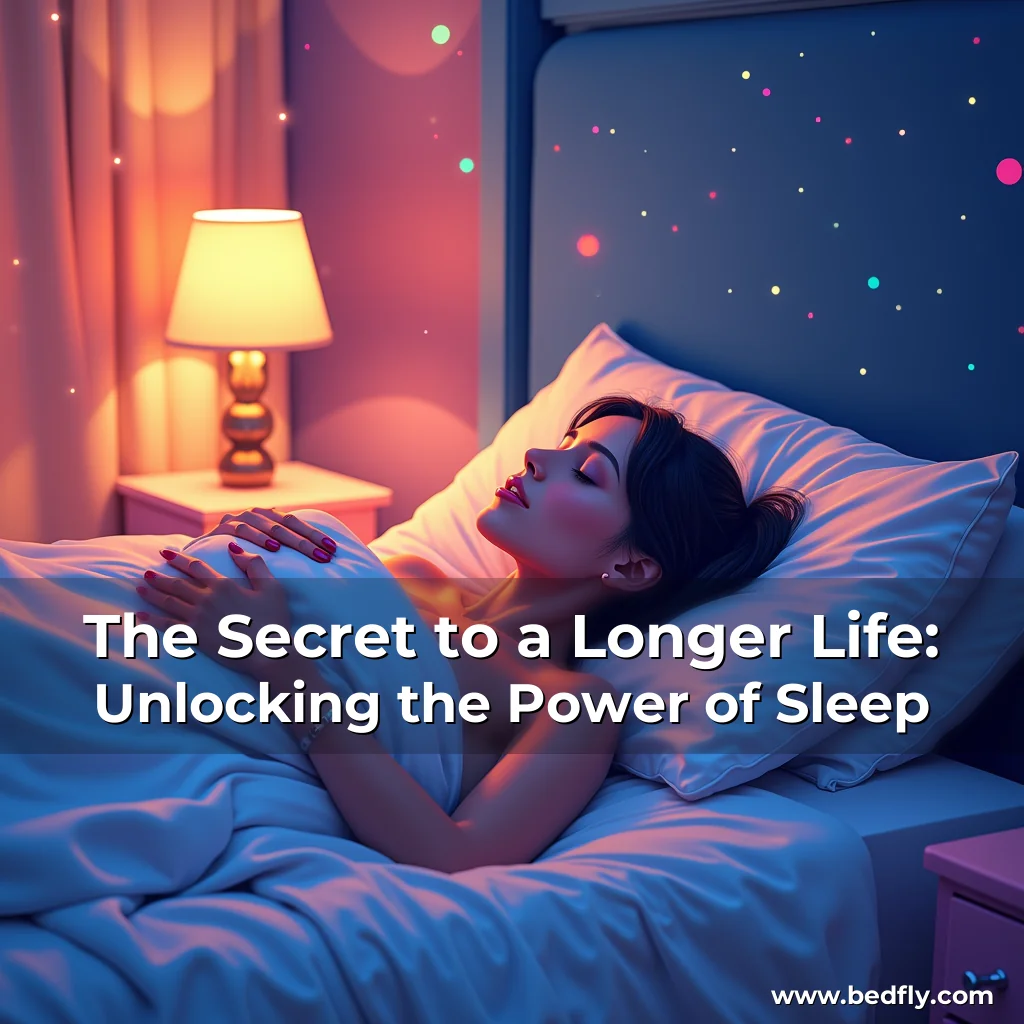
The sweetest reward of a good night’s sleep is a longer life. Dr Gareth Nye, a Biomedical Science lecturer at the University of Salford, has revealed the exact number of hours to strive for if we are keen to live for longer. The key to unlocking this secret lies in understanding the complex relationship between sleep and life expectancy.
Understanding the Risks of Premature Death
A study by Dr Nye has shown that people who sleep for seven to eight hours per night are potentially more likely to reach an older age. However, it is crucial to note that nothing is guaranteed or foolproof, with numerous factors at play when it comes to our life expectancy.
- Shorter than seven hours of sleep daily is linked to a 12% increased risk of death, with those who sleep over eight hours being linked to a 30% increased chance of premature death.
- Having regular sleep patterns may be the key to getting the most benefit and potentially living longer.
Breaking Down the Science Behind Sleep and Life Expectancy
Dr Nye’s research suggests that having regular sleep patterns is crucial for getting the most benefit from sleep. He explained, “It seems that having regular sleep patterns may be the key to getting the most benefit and potentially living longer.”
However, he then stressed, “In essence, a long life is down to luck, but you can improve your luck.” This highlights the complex relationship between sleep and life expectancy, where luck plays a significant role.
Expert Advice on Improving Sleep Hygiene
Experts recommend thinking critically about bedtime habits and hygiene. Here are some tips to improve sleep quality:
- Avoid electronic devices, food, and caffeinated beverages in the hours before sleeping.
- Make sure the bedroom is quiet, dark, and at a comfortable temperature before sleeping.
- Remove electronic devices and avoid large meals before bedtime.
- Physical activity and exposure to light during the day might also promote good sleep.
Common Sleep Disruptors
Rosey Davidson, a top sleep consultant at Just Chill Baby Sleep, has previously warned about the dangers of certain foods and drinks that can disrupt sleep. Here are some common sleep disruptors to avoid:
- Spicy foods can cause heartburn and discomfort, which may disrupt sleep.
- High-fat or greasy meals may cause indigestion, making it harder to fall asleep.
- Sugary snacks can lead to blood sugar spikes and crashes, potentially causing night awakenings.
- Heavy protein meals can slow digestion and result in more restless sleep.
Unlocking the Power of Sleep
Dr Nye’s research has shown that the secret to a longer life lies in understanding the complex relationship between sleep and life expectancy. By making a few simple changes to our bedtime habits and hygiene, we can potentially unlock the power of sleep and live longer.
| Benefits of Sleep | Health Risks |
|---|---|
| 7-8 hours of sleep | 12% increased risk of death, 30% increased chance of premature death |
| Less than 7 hours of sleep | 30% increased chance of premature death |
| More than 8 hours of sleep | 30% increased chance of premature death |
Conclusion
The sweetest reward of a good night’s sleep is a longer life. By understanding the complex relationship between sleep and life expectancy, we can unlock the power of sleep and live longer. By making a few simple changes to our bedtime habits and hygiene, we can potentially improve our luck and live a longer, healthier life.

Related Articles