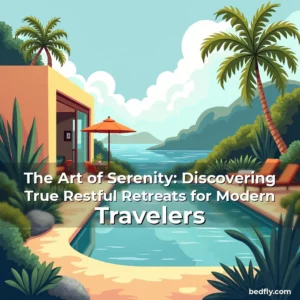

The Art of Unwinding: Discovering Serene Restful Retreats Across the Globe
In an era where constant connectivity defines our lives, restful retreats have emerged as sanctuaries offering respite from the relentless pace of modern existence. These havens provide not only physical relaxation but also mental rejuvenation through immersive experiences tailored to promote tranquility.
From secluded mountain lodges nestled among ancient forests to tranquil beachfront villas overlooking crystal-clear waters, restful retreats come in many forms. They are designed specifically to help individuals disconnect from daily stressors while reconnecting with themselves and their surroundings.
Evaluating the Essence of True Relaxation
A genuine restful retreat goes beyond mere accommodation; it encompasses a holistic approach to well-being that addresses both body and mind. The best retreat centers integrate elements such as meditation sessions, yoga practices, spa treatments, and nature immersion activities into their offerings.
This multifaceted experience allows guests to explore various methods of self-care under expert guidance. Whether through guided breathing exercises or personalized wellness consultations, these programs empower participants to discover sustainable ways to manage stress.
The ambiance plays a crucial role in enhancing the overall experience. From softly lit rooms infused with calming aromas to soothing background music carefully curated by experts in sound therapy, every detail is meticulously planned to foster deep relaxation.
- Nature Integration: Many top-rated retreats feature open-air design elements that allow direct interaction with natural environments.
- Cultural Immersion: Some retreat locations offer traditional healing practices rooted in local customs and beliefs.
Choosing Your Perfect Sanctuary
Selecting the ideal restful retreat requires careful consideration of personal preferences and goals. Factors such as desired location, type of activities available, budget constraints, and group size all influence which option will be most beneficial.
For those seeking solitude, remote wilderness accommodations may prove optimal. Conversely, individuals who thrive on social connections might prefer retreats featuring communal dining areas and shared workshop spaces.
It’s essential to research different retreat types before making a reservation. Reading reviews from previous attendees can provide invaluable insight into what each facility truly offers beyond its promotional materials.
Understanding Different Types of Retreat Experiences
Digital detox retreats have gained popularity among tech professionals looking to reduce screen time and reconnect with reality. These often include strict device-free policies along with mindfulness training sessions led by certified instructors.
Meanwhile, wellness-focused retreats emphasize nutrition education alongside fitness routines. Guests typically receive personalized meal plans based on individual health needs and dietary restrictions.
Adventure-based retreats cater to thrill-seekers desiring active vacations combined with recovery periods. Activities range from hiking treks through lush landscapes to guided meditations after physically demanding excursions.
Some retreat centers specialize in creative expression workshops, providing art supplies and professional mentorship for aspiring painters, writers, or musicians eager to refine their skills without external pressures.
Design Elements That Promote Deep Relaxation
Architectural choices significantly impact how effectively a space contributes to relaxation efforts. Open floor plans encourage free movement between living quarters and recreational zones, promoting a sense of openness rather than confinement.
Use of natural materials like wood, stone, and bamboo enhances sensory engagement with organic textures. This tactile connection reinforces feelings of grounding and stability during stressful times.
Lighting schemes play an equally vital role in creating therapeutic environments. Soft ambient lighting supplemented by strategically placed candles or fire features fosters cozy atmospheres conducive to unwinding.
Soundscape engineering involves incorporating gentle water features or wind chimes tuned to specific frequencies known to induce calmness within listeners. These auditory cues work subconsciously to lower anxiety levels over extended stays.
Personalized Wellness Programs at Top-Rated Facilities
Leading retreat destinations now offer customized wellness journeys tailored to individual requirements. Advanced assessment tools analyze physiological markers to determine optimal treatment protocols for each guest.
These assessments may involve biometric scans measuring heart rate variability, cortisol levels, and sleep patterns. Based on findings, specialists devise targeted interventions aimed at restoring balance across multiple systems within the body.
Workshops covering topics like emotional intelligence development, cognitive behavioral techniques, and trauma-informed care ensure participants gain practical strategies for maintaining long-term psychological resilience.
Mental health professionals collaborate closely with physical therapists to create integrated rehabilitation programs addressing both somatic symptoms and underlying emotional issues simultaneously.
Fostering Community Connections Through Shared Experiences
While some retreat seekers prioritize complete isolation, others find value in building meaningful relationships with fellow travelers sharing similar interests. Structured group activities facilitate bonding while encouraging mutual support throughout the journey.
Common rituals like morning circle discussions or evening reflection sessions help establish strong interpersonal ties among participants. These interactions often lead to lasting friendships formed around shared growth objectives.
Group challenges such as team-building exercises or collaborative projects enhance camaraderie by requiring collective problem-solving skills. Such initiatives strengthen trust bonds between individuals from diverse backgrounds.
Shared meals become opportunities for cultural exchange when menus incorporate regional specialties paired with educational components explaining culinary traditions behind each dish served.
Environmental Sustainability Practices at Leading Retreat Centers
Pioneering retreat facilities implement eco-conscious operations that minimize environmental footprints while maximizing visitor comfort. Solar-powered energy grids power entire campuses reducing reliance on non-renewable resources.
Water conservation measures include rainwater harvesting systems and greywater recycling technologies that replenish irrigation channels used for landscape maintenance tasks.
Organic farming initiatives supply fresh produce harvested directly from onsite gardens. This closed-loop system ensures food security while educating visitors about regenerative agriculture principles.
Biodiversity preservation efforts extend beyond property boundaries through reforestation projects supporting native wildlife populations displaced due to climate change impacts.
Technology Integration Without Compromising Tranquility
Even though digital minimalism remains central to most retreat philosophies, select venues thoughtfully introduce technology enhancements that augment rather than detract from serenity. Smart home automation controls adjust temperature settings automatically based on occupancy patterns.
Wearable devices track progress toward wellness goals using real-time data analytics. This information helps staff personalize recommendations ensuring continuous improvement over successive visits.
Secure communication channels enable emergency contact options without disrupting offline lifestyles maintained during core program hours. Visitors remain connected to loved ones while preserving intended disconnection periods.
Virtual reality simulations occasionally supplement outdoor exploration opportunities for those unable to access certain geographical regions safely. These controlled digital escapes complement actual physical adventures undertaken elsewhere.
Preparing for Your Transformative Journey
Successfully navigating a restful retreat begins with thorough preparation leading up to arrival dates. Establishing clear intentions regarding desired outcomes sets realistic expectations for potential changes experienced during stay.
Gathering necessary documents including insurance coverage confirmation and medical records proves essential prior to departure. Emergency preparedness kits containing basic first aid items should accompany travelers regardless of destination remoteness.
Physical conditioning routines recommended weeks ahead of trip commencement ensure bodies adapt gradually to new activity levels encountered upon arrival. Gradual acclimation prevents injury risks associated with sudden exertion increases.
Mindset adjustments focusing on curiosity rather than expectation cultivate openness towards unexpected discoveries made throughout the retreat process itself.
Maximizing Benefits After Returning Home
Continuing positive habits cultivated during retreat experiences requires conscious effort post-return date. Creating visual reminders of learned techniques keeps newly acquired knowledge accessible within everyday life contexts.
Scheduling regular check-ins with mentors or coaches maintains accountability for sustaining healthy routines developed during intensive periods away from usual environments.
Participating in follow-up workshops offered by retreat providers strengthens commitment to ongoing personal evolution supported by structured reinforcement mechanisms.
Sharing transformative stories with friends and family members encourages broader societal awareness surrounding importance of intentional downtime incorporated regularly into busy schedules.
Conclusion
Restful retreats represent much more than temporary escapes from routine obligations; they serve as catalysts for profound inner transformation when approached with genuine intentionality and openness toward discovery processes involved.
By selecting appropriate retreat models aligned with personal aspirations while remaining receptive to emerging possibilities presented along the way, individuals unlock pathways toward enhanced quality of life marked by sustained peace and fulfillment achieved through mindful living choices.

Related Articles