
The Hidden Dangers of Sleep Deprivation
Sleep expert Dr Deborah Lee emphasizes the importance of recognizing the signs of sleep deprivation. According to Dr Lee, chronic sleep deprivation can have serious consequences for one’s physical and mental well-being. In collaboration with Bed Factory Direct, Dr Lee highlights several key signs to look out for. Chronic Fatigue: The First Warning Sign
A significant sign of sleep deprivation is chronic fatigue. It’s not just feeling a bit sleepy; it’s consistently feeling tired during the day, even after getting an adequate amount of sleep. This fatigue can be a sign of underlying sleep disorders such as sleep apnoea or narcolepsy, which prevent restful and restorative sleep.
- Difficulty falling asleep or staying asleep due to underlying sleep disorders
- Daytime fatigue and lethargy despite adequate sleep
- Reduced energy levels and decreased motivation
Difficulty Concentrating: A Clear Indication of Poor Sleep
Another important sign is difficulty concentrating during the day. Brain fog, memory loss, or forgetfulness are significant warning signs that you are not sleeping enough. When people don’t get enough sleep, their brain can’t consolidate memories or perform essential functions, leading to difficulty concentrating and impaired decision making.
| Benefits of Sleep | Effects of Poor Sleep |
|---|---|
| Memory Consolidation | Impaired Cognitive Function, Difficulty Concentrating |
| Physical Restoration | Physical Weakness, Decreased Immune Function |
Day-Time Accidents: A Serious Risk of Sleep Deprivation
Dr Lee emphasizes that day-time accidents are a serious risk of sleep deprivation. If you’re experiencing sleep-related issues such as falling asleep during the day, sleepwalking, or even nodding off while driving, it’s crucial to seek immediate professional help. These symptoms can indicate a serious sleep disorder like sleep apnoea, which can affect your safety as well as your overall health.
“I urge everyone to take sleep deprivation seriously. It’s not just about getting a good night’s sleep; it’s about maintaining your overall health and well-being.” – Dr Deborah Lee
Mood Swings: A Hidden Consequence of Sleep Deprivation
Sleep deprivation doesn’t just affect your energy; it also impacts your emotions. Dr Lee said: “If you’re finding yourself increasingly irritable, anxious, or depressed, it could be a sign that your body isn’t getting the quality sleep it needs to regulate mood.” Lack of sleep can interfere with the brain’s ability to process emotions, leading to mood swings and heightened stress.
Waking Up Frequently: A Sign of Sleep Disturbances
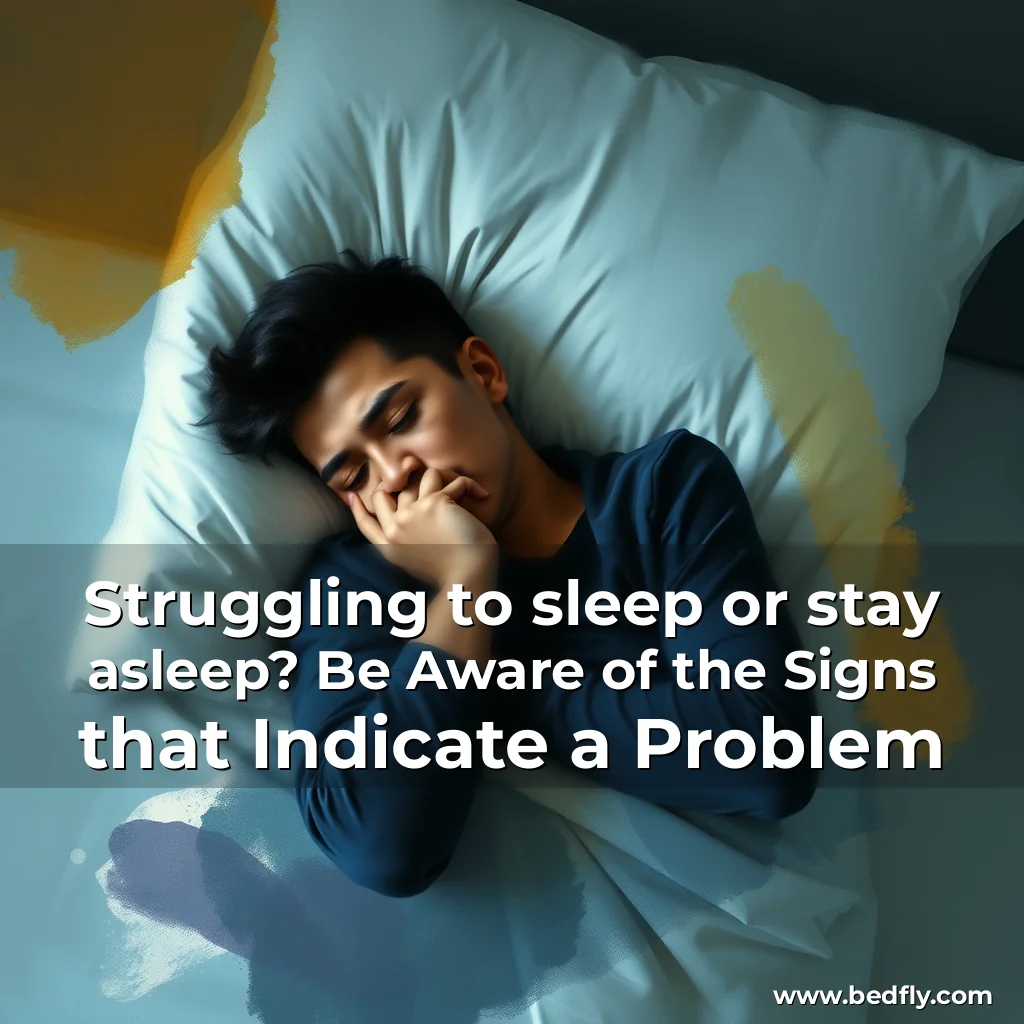
Dr Lee also warns about waking up frequently in the night. She said: “Struggling to fall asleep or waking up multiple times throughout the night is another red flag. These sleep disturbances, especially when they persist for several weeks, may indicate conditions like insomnia, anxiety, or even depression.”
The Long-Term Consequences of Sleep Deprivation
Over time, if you are still struggling with your sleep schedule, you might notice an increase in other health problems. Dr Lee said: “Long-term sleep deprivation is linked to an increased risk of chronic health conditions such as high blood pressure, heart disease, diabetes, and obesity.” If you’re already dealing with any of these conditions and your sleep quality is poor, it’s critical to seek help from a healthcare professional.
Conclusion
In conclusion, sleep deprivation is a serious issue that can have severe consequences for one’s physical and mental well-being. By recognizing the signs of sleep deprivation and seeking professional help, you can take the first step towards improving your sleep quality and maintaining overall health. Don’t wait until it’s too late; take action today and prioritize your sleep.

Related Articles