

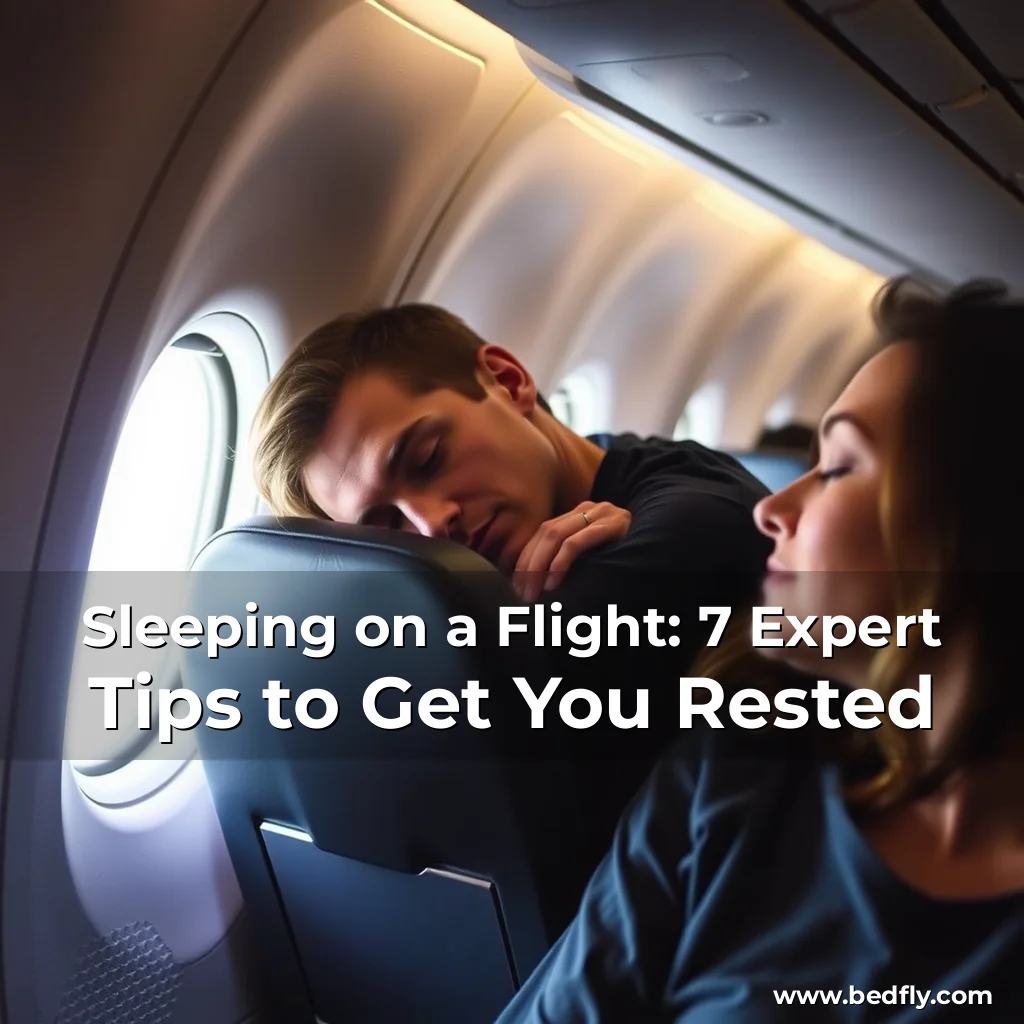
A good night’s sleep can be elusive on a plane, but with the right strategies, you can increase your chances of getting a restful night’s sleep. One sleep expert has shared seven tried-and-tested tips to help you sleep on a plane, ensuring you arrive at your destination feeling refreshed and ready to take on the day. •
1. Get Moving Before Your Flight
Before your flight, take a short walk around the airport to get some exercise and prepare your body for rest. Studies show that moderate exercise can help improve sleep quality, and a quick walk around the terminal can help you settle into your seat and drift off to sleep.
Why It Works
Martin Seeley, CEO and sleep expert at Online Bed Retailer MattressNextDay, explains that a 30-minute walk around the airport can help your body prepare for rest. “Studies show that just half an hour of moderate exercise can help you sleep better, and further studies have proven that women who take more steps throughout the day experience deeper sleep.”
•
2. Choose Your Seat Wisely
When booking your flight, consider the location of your seat. Martin recommends booking a seat above the engine, as the gentle hum of the engines can act as white noise to help you sleep.
Why It Matters
Martin explains that seats above the engine often experience less turbulence, which can be a bonus for those who get anxious during flights. The vibrations from the engine can also create a soothing environment, making it easier to fall asleep. •
3. Prepare Your Sleep Kit
Pack a sleep kit with essentials like flight socks, an eye mask, and a good memory foam travel pillow to help you sleep better on the plane.
Why It Helps
Martin says that flight socks can halve the number of times you’re woken up on a plane. By wearing them during the day, you can prevent fluid building up in your legs, which can cause snoring. Adjust Your Clock
If you’re traveling to a different time zone, adjust your watch to your destination’s time as soon as you board. This simple act can help your body’s circadian rhythm adjust to the new time zone, minimizing jet lag and helping you sleep at the right times.
Why It Matters
Martin emphasizes that changing your clock early can make a big difference in how well you sleep and how quickly you recover from jet lag. “Our bodies are incredibly adaptable, but they need a bit of help sometimes,” he says. Opt for Noise-Cancelling Headphones
Instead of using wireless earphones, opt for noise-cancelling headphones to block out the cabin chatter and create a peaceful environment.
Why It Helps
Martin says that noise-cancelling headphones are particularly effective in environments with high background noise. They help create a bubble of quiet around you, allowing you to focus on your own audio and tune out distractions. •
6. Stay Hydrated
Avoid drinking alcohol on the flight, and stick to water instead. Martin says that alcohol can disrupt your sleep quality, leading to lighter, less restorative sleep. Staying hydrated with water can help prevent a scratchy throat and maintain healthy blood circulation during long flights.
Why It Matters
Martin emphasizes that staying hydrated is essential for maintaining healthy blood circulation during long flights. “Water is essential for keeping your body functioning properly, especially at high altitudes,” he says. •
7. Dress Comfortably
Wear loose-fitting clothes to get the best chance to relax and sleep well. Tight clothes can restrict movement and cause pressure points, which can wake you up during the flight.
Why It Works
Martin says that wearing comfortable clothing can reduce discomfort and improve sleep quality. “Loose-fitting clothes allow for better blood circulation and give you the freedom to find a comfy position in those cramped airplane seats,” he explains.
Additional Tips
In addition to these seven tips, consider the following:
*
- Consider booking a seat that faces the front of the plane, as this can help you sleep better.
- Bring a travel pillow to support your neck and head.
- Use earplugs or earmuffs to block out noise.
Conclusion
By following these seven expert tips, you can increase your chances of getting a restful night’s sleep on a plane. Remember to get moving before your flight, choose your seat wisely, prepare your sleep kit, adjust your clock, opt for noise-cancelling headphones, stay hydrated, and dress comfortably. With these tips, you’ll be well on your way to arriving at your destination feeling refreshed and ready to take on the day.

Related Articles