
Sleep deprivation is one of the most widespread yet overlooked public health issues, especially among young adults and adolescents. Despite needing eight to 10 hours of sleep, most adolescents fall short, while nearly two-thirds of young adults regularly get less than the recommended seven to nine hours. Poor sleep isn’t just about feeling tired − it’s linked to worsened mental health, emotion regulation, memory, academic performance and even increased risk for chronic illness and early mortality.
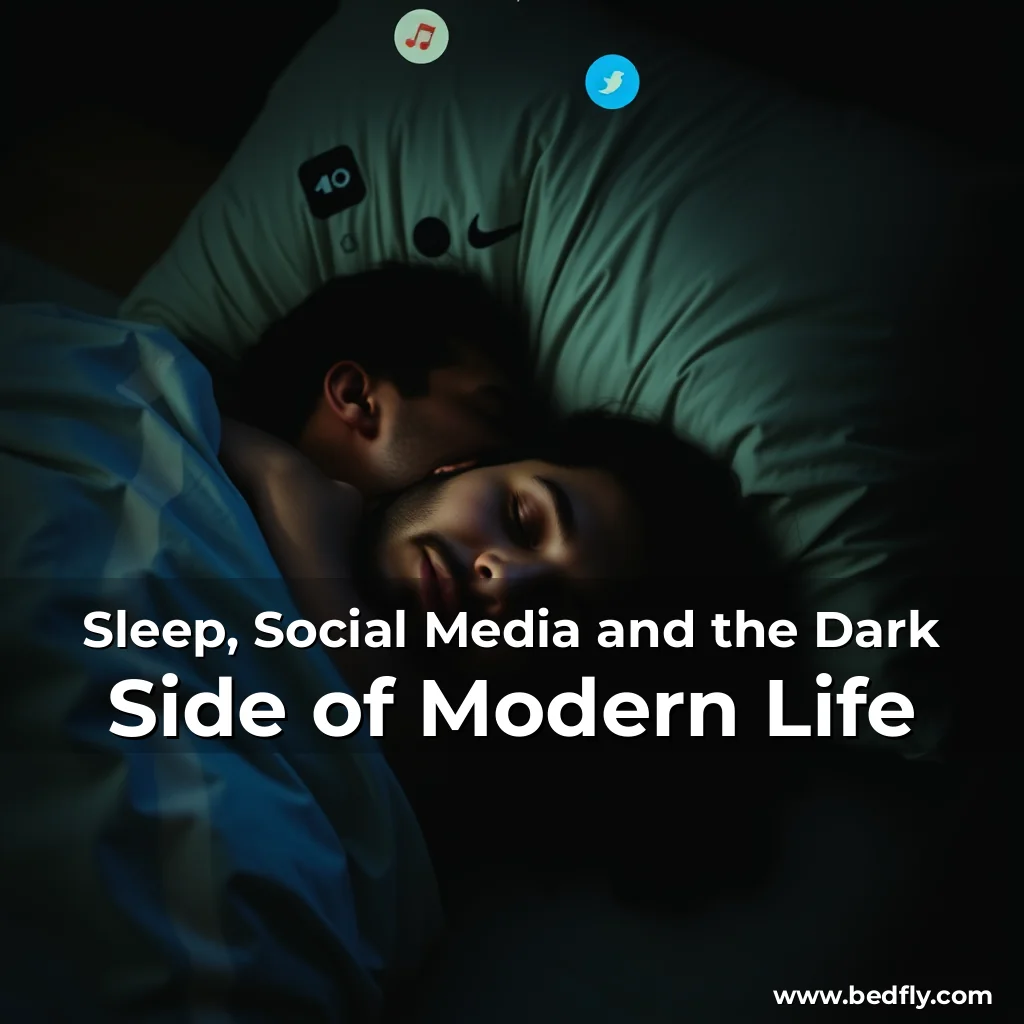
At the same time, social media is nearly universal among young adults, with 84% using at least one platform daily. While research has long focused on screen time as the culprit for poor sleep, growing evidence suggests that how often people check social media − and how emotionally engaged they are − matters even more than how long they spend online. Social media can be a major obstacle to restful sleep, and it’s not just about the screen time itself.
- Emotional investment
- Presleep arousal
- Habitual checking
- Fear of missing out, or FOMO
Emotional investment is a key factor in how social media use affects sleep. Beyond simply measuring time spent on social media, researchers have started looking at how emotionally connected people feel to their social media use. Some studies suggest that the way people emotionally engage with social media may have a greater impact on sleep quality than the total time they spend online.
- My colleagues and I examined how different types of social media engagement predicted sleep problems in a 2024 study of 830 young adults. We found that frequent social media visits and emotional investment were stronger predictors of poor sleep than total screen time.
- Additionally, presleep cognitive arousal and social comparison played a key role in linking social media engagement to sleep disruption.
Sleep disruption is another significant issue. If you’ve ever struggled to fall asleep after scrolling through social media, it’s not just the screen keeping you awake. While blue light can delay melatonin production, the way people interact with social media may play an even bigger role in sleep disruption. Here are some of the biggest ways social media interferes with your sleep:
| Frequent social media use | Presleep arousal | Social comparison | Habitual checking | Fear of missing out, or FOMO |
| Doomscrolling and emotionally charged content | Triggered increased cognitive and physiological arousal | Viewing idealised social media posts | Checking notifications and scrolling before bed | The anticipation of new messages or posts |
These factors make social media more than just a passive distraction − it becomes an active barrier to restful sleep. In other words, that late-night scroll isn’t harmless − it’s quietly rewiring your sleep and well-being.
To break the habit, try these practical strategies for improving your sleep:
- Give your brain time to wind down: avoid emotionally charged content 30 to 60 minutes before bed to help your mind relax and prepare for sleep.
- Create separation between social media and sleep: set your phone to “Do Not Disturb” or leave it outside the bedroom to avoid the temptation of late-night checking.
- Reduce mindless scrolling: if you catch yourself endlessly refreshing, take a small, mindful pause and ask yourself: “Do I actually want to be on this app right now?”
By making small behavioral changes to your bedtime routine, you can make a significant difference in sleep quality.

Related Articles