

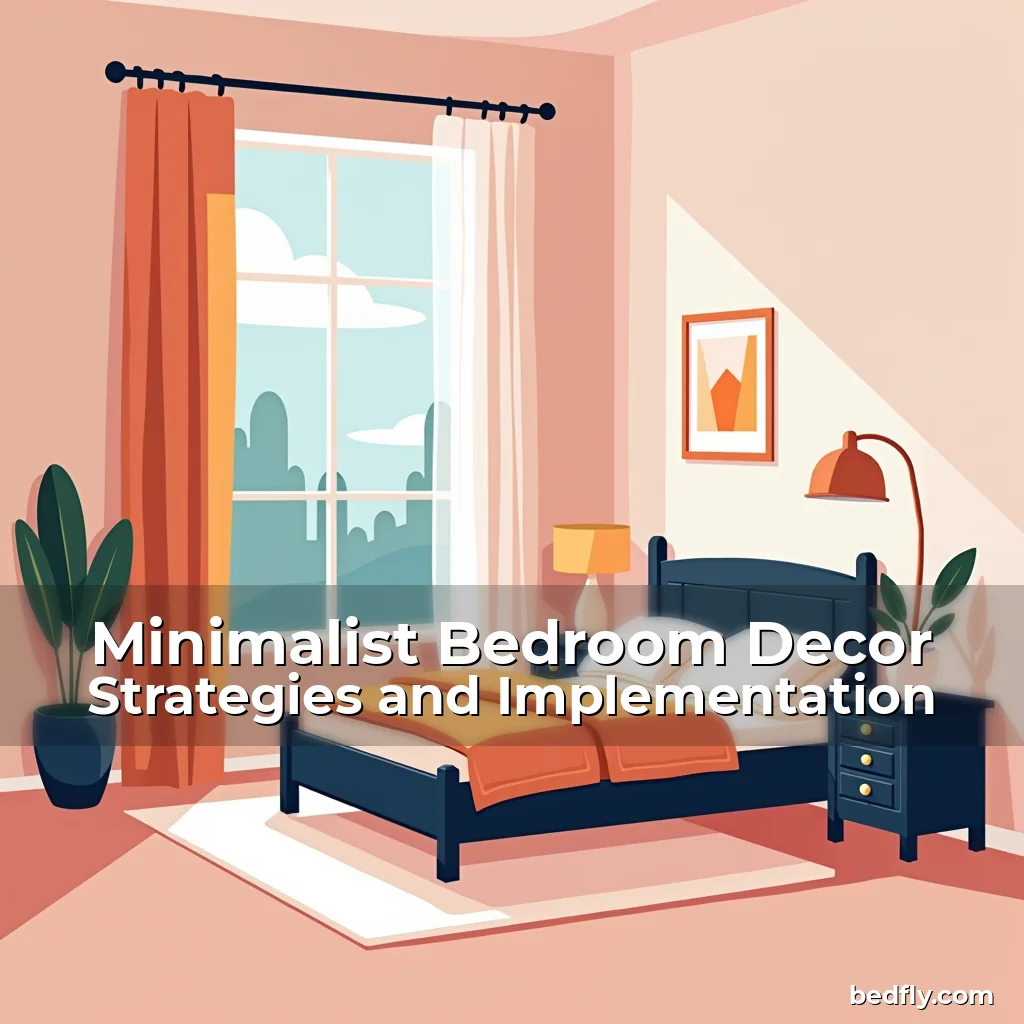
The Art of Simplicity: Crafting a Serene Minimalist Bedroom Space
In an era defined by digital overload and visual saturation, the minimalist bedroom has emerged as a sanctuary for rest and rejuvenation. This design philosophy isn’t merely about reducing clutter—it’s about curating a space that reflects intentionality and promotes mental clarity.
At its core, minimalist bedroom decor focuses on creating a calming atmosphere through strategic use of color palettes, functional furniture choices, and thoughtfully placed accessories. It invites individuals to reconnect with what truly matters in their personal spaces.
Understanding the Essence of Minimalism in Bedrooms
A minimalist bedroom is not simply about having fewer items but rather about achieving harmony between aesthetics and functionality. This approach prioritizes quality over quantity, ensuring every element serves a purpose while contributing to overall tranquility.
The goal is to create a visually uncluttered environment where natural light can flow freely and air circulates unhindered. Such spaces often feature neutral tones, clean lines, and materials that evoke warmth and comfort.
- Simplicity in Form: Furniture with smooth edges and minimal detailing reduces visual noise and enhances spatial perception.
- Thoughtful Material Selection: Natural fibers like linen, wool, and wood add texture without overwhelming the senses.
Color Palette Strategies for Minimalist Bedrooms
Selecting the right color palette is fundamental to achieving a serene minimalist bedroom. Neutral colors such as whites, grays, and soft pastels form the foundation of most minimalist schemes.
These hues create a sense of openness and allow other elements—like statement lighting fixtures or accent textiles—to stand out without competing for attention. Subtle variations within these base colors can introduce depth without disrupting simplicity.
The Science Behind Color Choices
Research from environmental psychology suggests that cooler tones promote relaxation and reduce stress levels. Shades of blue and green are particularly effective in fostering calmness during sleep hours.
However, it’s crucial to balance cool tones with warmer accents to avoid creating a cold or sterile environment. Incorporating earthy tones through bedding or decorative objects helps maintain a welcoming ambiance.
Furniture Essentials for a Minimalist Bedroom Setup
Choosing the right furniture pieces plays a pivotal role in establishing a minimalist bedroom aesthetic. Opt for low-profile beds with simple headboards made from solid wood or upholstered fabric in muted shades.
Multifunctional furniture solutions help maximize limited square footage without compromising style. Consider beds with built-in storage drawers beneath them or nightstands featuring integrated charging stations.
- Built-In Storage Solutions: Custom closet systems eliminate visible clutter by keeping belongings neatly organized behind closed doors.
- Versatile Seating Options: Ottomans that double as footrests or extra seating provide flexibility without adding bulkiness to the room.
Lighting Design Principles for Minimalist Spaces
Proper illumination is essential when designing a minimalist bedroom. Layer different types of lighting—including ambient, task, and accent lights—to achieve balanced brightness at various times of day.
Natural daylight remains the ideal source of illumination; therefore, prioritize placing windows strategically so they capture morning sunlight effectively. Sheer curtains allow diffused light entry without sacrificing privacy.
The Role of Smart Lighting Systems
Smart lighting technology offers customizable options that align perfectly with minimalist principles. These systems enable users to adjust brightness levels according to mood or time-of-day needs effortlessly.
Additionally, motion-sensor lights activated by movement contribute to energy efficiency while maintaining safety aspects within the sleeping area. They also minimize unnecessary electrical consumption overnight.
Textile Selection Guidelines for Cozy Yet Simple Interiors
Tactile experiences play a significant part in making any bedroom feel inviting despite its streamlined appearance. Choose bedding fabrics that offer both comfort and breathability, favoring organic cotton or bamboo blends over synthetic alternatives.
Limit patterns strictly to monochromatic schemes unless using bold prints sparingly as focal points. Even then, ensure those designs complement rather than clash against existing décor elements.
Decorative Elements That Enhance Aesthetic Appeal Without Overcomplicating Things
Strategic placement of select decorative items elevates the minimalist bedroom experience significantly. Focus on incorporating art pieces that resonate personally yet remain understated in execution.
Functional decor like wall-mounted shelves or floating desks serve dual purposes by offering display opportunities alongside practical utility. These additions enhance usability without detracting from overall serenity goals.
- Personalized Touches: Display curated collections of photographs framed minimally or small sculptures crafted from natural materials.
- Greenery Integration: Indoor plants add life and vitality while purifying air naturally—an eco-friendly way to beautify living areas discreetly.
Creative Storage Solutions Tailored Specifically For Minimalist Living Styles
Effective organization lies at the heart of successful minimalist bedrooms. Implementing clever storage strategies ensures everything necessary stays accessible yet concealed from view whenever possible.
Utilize under-bed containers, hanging organizers inside closets, or vertical dividers within wardrobes to optimize available surface areas efficiently. These methods prevent accumulation issues common among less structured environments.
- Hidden Drawer Organizers: These conceal everyday essentials like socks and toiletries while preserving drawer appearances.
- Wall-Mounted Shelving Units: Ideal for displaying books or collectibles vertically instead horizontally which saves floor space dramatically.
Creating Visual Balance Through Strategic Placement Techniques
Arranging furnishings deliberately contributes immensely towards achieving desired equilibrium across your minimalist bedroom layout. Begin by identifying primary traffic pathways before positioning key furniture accordingly.
Use symmetry creatively where applicable—for instance, matching bedside tables flanking either side of the bed creates instant orderliness. However, asymmetrical arrangements might work better depending upon room dimensions.
- Balance Weight Distribution: Place heavier furniture closer to walls to stabilize perceived weight distribution evenly throughout the space.
- Create Focal Points Carefully: Direct attention toward architectural features or artwork positioned centrally above fireplaces or headboards respectively.
The Impact Of Personal Style On Achieving Authentic Minimalism
Your individual preferences inevitably influence how you interpret true minimalism within your own bedroom setting. While general guidelines exist regarding color selections or furniture styles, adapting these ideas authentically requires self-reflection.
Consider what brings you peace versus what feels restrictive; genuine minimalism thrives best when aligned closely with personal values rather than adhering rigidly to external expectations alone.
- Reflect Daily Habits: If mornings involve getting dressed quickly, invest in easy-to-access clothing storage solutions rather than elaborate vanity setups.
- Embrace Flexibility: Periodically reassess possessions periodically based on changing lifestyles rather than clinging onto outdated notions permanently.
Common Pitfalls To Avoid When Practicing Minimalist Bedroom Decor
Even well-intentioned attempts sometimes fall prey to certain missteps that undermine intended effects entirely. One frequent error involves confusing minimalism with complete absence—that is believing zero decoration equals perfection.
Another pitfall occurs when people attempt too many DIY projects simultaneously leading to temporary disarray until finished products become permanent fixtures again later down line.
- Overlooking Practical Needs: Prioritize accessibility especially around bedtime routines including lamps near reading spots or emergency switches easily reachable from bed position.
- Ignoring Seasonal Changes: Update linens regularly following weather shifts since appropriate thickness affects comfort level significantly influencing restfulness outcomes positively.
Conclusion
Designing a minimalist bedroom goes beyond mere aesthetics—it becomes an exercise in mindful living centered around conscious consumption habits and intentional lifestyle choices.
To begin crafting your dream minimalist retreat today, start by decluttering nonessential items first followed up subsequently by implementing smart organizational techniques tailored specifically toward enhancing daily routines seamlessly within confined quarters.
“`html
“`
The Art of Simplicity: Crafting a Serene Minimalist Bedroom Space
In an era defined by digital overload and visual saturation, the minimalist bedroom has emerged as a sanctuary for rest and rejuvenation. This design philosophy isn’t merely about reducing clutter—it’s about curating a space that reflects intentionality and promotes mental clarity.
At its core, minimalist bedroom decor focuses on creating a calming atmosphere through strategic use of color palettes, functional furniture choices, and thoughtfully placed accessories. It invites individuals to reconnect with what truly matters in their personal spaces.
Understanding the Essence of Minimalism in Bedrooms
A minimalist bedroom is not simply about having fewer items but rather about achieving harmony between aesthetics and functionality. This approach prioritizes quality over quantity, ensuring every element serves a purpose while contributing to overall tranquility.
The goal is to create a visually uncluttered environment where natural light can flow freely and air circulates unhindered. Such spaces often feature neutral tones, clean lines, and materials that evoke warmth and comfort.
- Simplicity in Form: Furniture with smooth edges and minimal detailing reduces visual noise and enhances spatial perception.
- Thoughtful Material Selection: Natural fibers like linen, wool, and wood add texture without overwhelming the senses.
Color Palette Strategies for Minimalist Bedrooms
Selecting the right color palette is fundamental to achieving a serene minimalist bedroom. Neutral colors such as whites, grays, and soft pastels form the foundation of most minimalist schemes.
These hues create a sense of openness and allow other elements—like statement lighting fixtures or accent textiles—to stand out without competing for attention. Subtle variations within these base colors can introduce depth without disrupting simplicity.
The Science Behind Color Choices
Research from environmental psychology suggests that cooler tones promote relaxation and reduce stress levels. Shades of blue and green are particularly effective in fostering calmness during sleep hours.
However, it’s crucial to balance cool tones with warmer accents to avoid creating a cold or sterile environment. Incorporating earthy tones through bedding or decorative objects helps maintain a welcoming ambiance.
Furniture Essentials for a Minimalist Bedroom Setup
Choosing the right furniture pieces plays a pivotal role in establishing a minimalist bedroom aesthetic. Opt for low-profile beds with simple headboards made from solid wood or upholstered fabric in muted shades.
Multifunctional furniture solutions help maximize limited square footage without compromising style. Consider beds with built-in storage drawers beneath them or nightstands featuring integrated charging stations.
- Built-In Storage Solutions: Custom closet systems eliminate visible clutter by keeping belongings neatly organized behind closed doors.
- Versatile Seating Options: Ottomans that double as footrests or extra seating provide flexibility without adding bulkiness to the room.
Lighting Design Principles for Minimalist Spaces
Proper illumination is essential when designing a minimalist bedroom. Layer different types of lighting—including ambient, task, and accent lights—to achieve balanced brightness at various times of day.
Natural daylight remains the ideal source of illumination; therefore, prioritize placing windows strategically so they capture morning sunlight effectively. Sheer curtains allow diffused light entry without sacrificing privacy.
The Role of Smart Lighting Systems
Smart lighting technology offers customizable options that align perfectly with minimalist principles. These systems enable users to adjust brightness levels according to mood or time-of-day needs effortlessly.
Additionally, motion-sensor lights activated by movement contribute to energy efficiency while maintaining safety aspects within the sleeping area. They also minimize unnecessary electrical consumption overnight.
Textile Selection Guidelines for Cozy Yet Simple Interiors
Tactile experiences play a significant part in making any bedroom feel inviting despite its streamlined appearance. Choose bedding fabrics that offer both comfort and breathability, favoring organic cotton or bamboo blends over synthetic alternatives.
Limit patterns strictly to monochromatic schemes unless using bold prints sparingly as focal points. Even then, ensure those designs complement rather than clash against existing décor elements.
Decorative Elements That Enhance Aesthetic Appeal Without Overcomplicating Things
Strategic placement of select decorative items elevates the minimalist bedroom experience significantly. Focus on incorporating art pieces that resonate personally yet remain understated in execution.
Functional decor like wall-mounted shelves or floating desks serve dual purposes by offering display opportunities alongside practical utility. These additions enhance usability without detracting from overall serenity goals.
- Personalized Touches: Display curated collections of photographs framed minimally or small sculptures crafted from natural materials.
- Greenery Integration: Indoor plants add life and vitality while purifying air naturally—an eco-friendly way to beautify living areas discreetly.
Creative Storage Solutions Tailored Specifically For Minimalist Living Styles
Effective organization lies at the heart of successful minimalist bedrooms. Implementing clever storage strategies ensures everything necessary stays accessible yet concealed from view whenever possible.
Utilize under-bed containers, hanging organizers inside closets, or vertical dividers within wardrobes to optimize available surface areas efficiently. These methods prevent accumulation issues common among less structured environments.
- Hidden Drawer Organizers: These conceal everyday essentials like socks and toiletries while preserving drawer appearances.
- Wall-Mounted Shelving Units: Ideal for displaying books or collectibles vertically instead horizontally which saves floor space dramatically.
Creating Visual Balance Through Strategic Placement Techniques
Arranging furnishings deliberately contributes immensely towards achieving desired equilibrium across your minimalist bedroom layout. Begin by identifying primary traffic pathways before positioning key furniture accordingly.
Use symmetry creatively where applicable—for instance, matching bedside tables flanking either side of the bed creates instant orderliness. However, asymmetrical arrangements might work better depending upon room dimensions.
- Balance Weight Distribution: Place heavier furniture closer to walls to stabilize perceived weight distribution evenly throughout the space.
- Create Focal Points Carefully: Direct attention toward architectural features or artwork positioned centrally above fireplaces or headboards respectively.
The Impact Of Personal Style On Achieving Authentic Minimalism
Your individual preferences inevitably influence how you interpret true minimalism within your own bedroom setting. While general guidelines exist regarding color selections or furniture styles, adapting these ideas authentically requires self-reflection.
Consider what brings you peace versus what feels restrictive; genuine minimalism thrives best when aligned closely with personal values rather than adhering rigidly to external expectations alone.
- Reflect Daily Habits: If mornings involve getting dressed quickly, invest in easy-to-access clothing storage solutions rather than elaborate vanity setups.
- Embrace Flexibility: Periodically reassess possessions periodically based on changing lifestyles rather than clinging onto outdated notions permanently.
Common Pitfalls To Avoid When Practicing Minimalist Bedroom Decor
Even well-intentioned attempts sometimes fall prey to certain missteps that undermine intended effects entirely. One frequent error involves confusing minimalism with complete absence—that is believing zero decoration equals perfection.
Another pitfall occurs when people attempt too many DIY projects simultaneously leading to temporary disarray until finished products become permanent fixtures again later down line.
- Overlooking Practical Needs: Prioritize accessibility especially around bedtime routines including lamps near reading spots or emergency switches easily reachable from bed position.
- Ignoring Seasonal Changes: Update linens regularly following weather shifts since appropriate thickness affects comfort level significantly influencing restfulness outcomes positively.
Conclusion
Designing a minimalist bedroom goes beyond mere aesthetics—it becomes an exercise in mindful living centered around conscious consumption habits and intentional lifestyle choices.
To begin crafting your dream minimalist retreat today, start by decluttering nonessential items first followed up subsequently by implementing smart organizational techniques tailored specifically toward enhancing daily routines seamlessly within confined quarters.
“`

news is a contributor at BedFly. We are committed to providing well-researched, accurate, and valuable content to our readers.
You May Also Like

Related Articles