

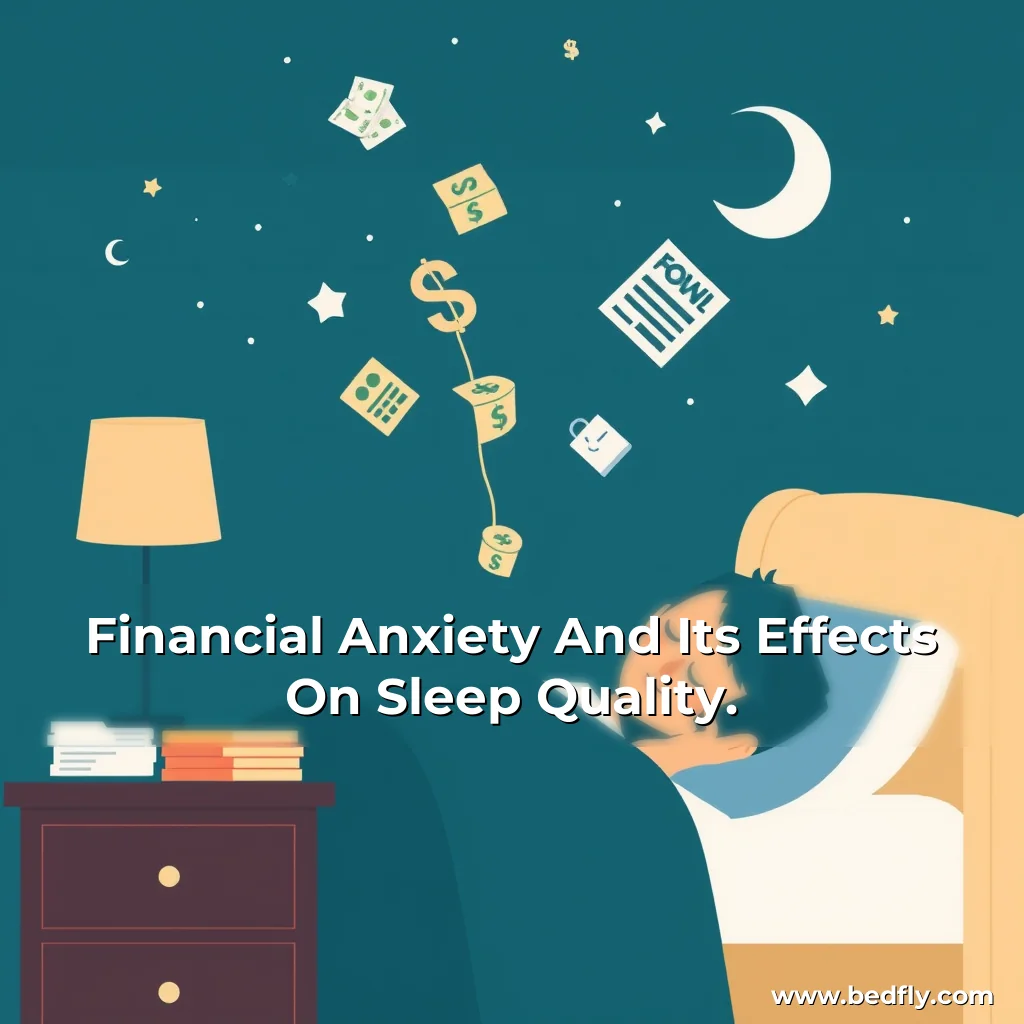
We’ll also discuss some practical strategies for managing financial stress and improving your sleep quality.
Understanding the Impact of Financial Stress on Sleep
Financial stress can have a profound impact on your sleep. When you’re worried about money, your body’s stress response is triggered, releasing stress hormones like cortisol and adrenaline.
The Impact of Financial Stress on Mental Health
Financial stress can have a profound impact on your mental health, affecting your mood, emotions, and overall well-being. Here are some ways financial stress can affect your mental health:
This vicious cycle can be challenging to break, but it’s not impossible.
Breaking the Cycle of Financial Stress and Sleep Disturbances
Financial stress can have a profound impact on our mental and physical well-being. It can lead to anxiety, depression, and a range of other mental health issues. In this article, we’ll explore the relationship between financial stress and sleep disturbances, and provide practical tips on how to break the cycle.
Understanding the Connection Between Financial Stress and Sleep Disturbances
Financial stress can disrupt our sleep patterns in several ways:
The Impact of Financial Stress on Mental Health
Financial stress can have a significant impact on our mental health, leading to:
This can lead to chronic fatigue, anxiety, and a weakened immune system.
The Impact of Financial Stress on the Body
Financial stress can have a profound impact on your physical and mental well-being. When you’re under financial pressure, your body’s natural stress response is triggered, releasing stress hormones like cortisol and adrenaline into your system. These hormones are meant to help you respond to immediate threats, but when they’re chronically elevated, they can have negative effects on your body.
The Effects of Chronic Stress on Sleep
Chronic stress can disrupt your sleep patterns, leading to insomnia, daytime fatigue, and other sleep-related problems. When you’re under financial stress, your body’s natural response is to prioritize survival over rest.
Stress disrupts sleep patterns, leading to a range of negative consequences.
This is because stress triggers the release of cortisol, a hormone that can interfere with the body’s natural sleep-wake cycle.
The Impact of Stress on Sleep
Stress can have a profound impact on our sleep patterns, leading to a range of negative consequences. Some of the effects of stress on sleep include:
The Science Behind Stress and Sleep
When we experience stress, our body’s “fight or flight” response is triggered. This response is designed to help us respond to immediate threats, but it can also interfere with our ability to relax and fall asleep.
The Impact of Financial Stress on Sleep
Financial stress can have a profound impact on our sleep patterns, leading to chronic sleep problems that can have far-reaching consequences for our overall health and wellbeing.
The Science Behind Financial Stress and Sleep
Research has shown that financial stress can affect the body’s production of cortisol, a hormone that regulates stress and anxiety. When we experience financial stress, our cortisol levels increase, making it difficult to fall asleep and stay asleep. This can lead to a vicious cycle of financial stress, sleep deprivation, and further exacerbation of financial stress. Cortisol levels can remain elevated for hours after a stressful event, making it challenging to relax and fall asleep. The body’s natural sleep-wake cycle, also known as the circadian rhythm, can be disrupted by financial stress, leading to insomnia and other sleep disorders. Chronic sleep deprivation can weaken the immune system, making us more susceptible to illnesses and infections.
The Consequences of Chronic Sleep Deprivation
Chronic sleep deprivation can have severe consequences for our physical and mental health. Some of the potential risks include:
Breaking the Cycle of Financial Stress and Sleep Deprivation
Fortunately, there are steps we can take to break the cycle of financial stress and sleep deprivation. Some strategies include:
Creating a Bedtime Routine
Establishing a consistent bedtime routine can help signal to your body that it’s time to sleep. This can include activities such as:
A bedtime routine can help you relax and prepare your body for sleep. By incorporating these activities into your daily routine, you can improve the quality of your sleep and wake up feeling more refreshed.
Managing Stress
Stress can have a significant impact on your sleep.
Prioritizing financial wellness is key to achieving a stable, secure, and fulfilling life.
The Importance of Prioritizing Financial Wellness
Financial wellness is a state of being where an individual’s financial situation is stable, secure, and aligned with their values and goals. It’s not just about having a steady income or a certain amount of savings; it’s about living a life that is free from financial stress and anxiety. In this article, we’ll explore the importance of prioritizing financial wellness and provide practical tips on how to achieve it.
The Consequences of Neglecting Financial Wellness
Neglecting financial wellness can have severe consequences on one’s life. Some of the most common consequences include:
The Benefits of Prioritizing Financial Wellness
Prioritizing financial wellness can have numerous benefits, including:
Financial stress can disrupt sleep, but taking control of your finances can help you get better rest.
Here are some steps you can take to improve your financial situation and get better sleep.
Understanding the Link Between Financial Stress and Sleep
Financial stress can have a profound impact on your sleep. When you’re worried about money, your body’s stress response is triggered, releasing stress hormones like cortisol and adrenaline. These hormones can make it difficult to fall asleep and stay asleep, leading to chronic sleep deprivation. The National Sleep Foundation estimates that 1 in 5 adults in the United States experience sleep disruptions due to financial stress. A study by the American Psychological Association found that 64% of adults reported feeling stressed about money, which can lead to sleep problems. Financial stress can also lead to anxiety and depression, which can further exacerbate sleep issues.
Taking Control of Your Financial Situation
Taking control of your financial situation can help reduce the impact of financial stress on your sleep. Here are some steps you can take:
Creating a Budget
Staff Writer; Bobby Short

news is a contributor at BedFly. We are committed to providing well-researched, accurate, and valuable content to our readers.
You May Also Like




Related Articles