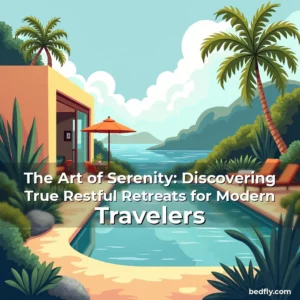


The Art of Unwinding: Discovering Serene Restful Retreats Across the Globe
In an era where digital connectivity is constant and productivity demands are relentless, the allure of restful retreats has never been stronger. These havens offer respite from urban chaos, inviting travelers to reconnect with nature, culture, and themselves.
From misty mountain sanctuaries to tranquil seaside escapes, restful retreats provide diverse experiences tailored to rejuvenate both body and mind. Whether you’re seeking solitude or gentle social interaction, there’s a perfect retreat awaiting your discovery.
Ethereal Mountain Sanctuaries: Where Nature Whispers Peace
Nestled high above bustling cities, ethereal mountain retreats offer a symphony of natural sounds that drown out modern noise. Here, the air is crisp, and the landscape unfolds in breathtaking vistas that inspire awe and tranquility.
Certain retreat centers have mastered the art of blending luxury with sustainability, offering eco-friendly accommodations without compromising comfort. Think solar-powered lodges with panoramic views of snow-capped peaks and alpine forests.
Unique Features:
- Sustainable Practices: Many mountain retreats utilize local materials and renewable energy sources to minimize their environmental footprint while maintaining opulence.
- Mindfulness Programs: Guided meditation sessions amidst untouched wilderness help guests cultivate inner peace through connection with nature.
Guests often report heightened senses after spending time at these altitudes; colors appear more vivid, scents more potent, and silence feels richer than ever before.
The architecture of such retreats frequently mirrors the surrounding environment—wooden structures adorned with native flora complement rather than compete with the scenery.
A popular trend among contemporary wellness seekers involves combining physical activity with mental relaxation. Hiking trails lead not only to scenic overlooks but also to hidden waterfalls and ancient monasteries steeped in spiritual history.
Tranquil Seaside Escapes: Listening to Waves as Therapy
For those who find solace in the sound of waves crashing against the shore, coastal retreats present a different kind of serenity—one defined by rhythm, salt air, and endless horizons.
These oceanfront sanctuaries range from rustic beach huts equipped with minimal amenities to lavish resorts featuring infinity pools that merge seamlessly with the sea.
Diverse Experiences:
- Barefoot Living: Some properties encourage guests to shed shoes entirely, promoting barefoot walking along sandy beaches which can enhance sensory awareness and promote grounding effects.
- Oceanic Cuisine: Fresh seafood harvested daily becomes the centerpiece of meals prepared using traditional cooking methods passed down through generations of coastal communities.
Studies indicate that proximity to bodies of water significantly reduces stress levels. This phenomenon, known as ‘blue therapy,’ leverages our innate affinity for aquatic environments to foster emotional well-being.
Many seaside retreats incorporate elements of marine biology education into their programs, allowing visitors to snorkel through coral reefs or participate in turtle conservation efforts.
Evenings at these locations often unfold under star-studded skies, where bonfires crackle beside the shoreline and the moon reflects perfectly on calm waters—an ideal setting for reflection and storytelling.
Lush Forest Havens: Immersion in Verdant Silence
Tucked away within dense woodlands, forest retreats invite guests to experience life at a slower pace surrounded by towering trees, rustling leaves, and the occasional call of exotic birds.
Unlike typical hotel stays, many woodland sanctuaries emphasize immersion over isolation. Guests may wake up to the scent of pine needles carried on morning breezes or listen closely for distant animal calls during twilight walks.
Ecological Benefits:
- Biodiversity Preservation: Responsible retreat operators work hand-in-hand with environmental organizations to protect habitats and educate visitors about local ecosystems.
- Carbon Offsetting Initiatives: By investing in reforestation projects worldwide, some establishments actively reduce their carbon emissions associated with guest travel.
Activities available here vary widely—from guided birdwatching excursions to silent meditation circles held beneath centuries-old oaks. The emphasis is always on creating meaningful connections between people and plants alike.
Few places evoke feelings of timelessness quite like deep-forest getaways do. With each passing day spent among leaf-covered paths and whispering streams, individuals often rediscover forgotten rhythms of existence rooted in simplicity and harmony.
Urban Oasis: Finding Tranquility Amidst Concrete Jungles
In stark contrast to rural escapism options lie urban oasis retreats—luxurious hideaways designed specifically to transport city dwellers into peaceful realms despite being situated right in metropolitan cores.
These spaces typically feature rooftop gardens overlooking skyline views, indoor hydrotherapy spas mimicking outdoor hot springs, and curated playlists filled with ambient music meant to soothe frazzled nerves.
Innovative Design Elements:
- Biophilic Architecture: Incorporating natural light, living walls covered in lush vegetation, and open-air design principles creates spaces that feel simultaneously modern and organic.
- Soundproofing Techniques: Advanced acoustic engineering ensures complete auditory separation from outside disturbances, enabling true silence even when surrounded by traffic noise below.
Some urban retreats go beyond standard amenities by offering mindfulness workshops led by certified experts specializing in cognitive behavioral techniques aimed at reducing anxiety symptoms related to workplace pressures.
The rise of coworking spaces integrated into these retreat settings allows professionals to maintain business continuity while still benefiting from therapeutic surroundings—a concept gaining traction amongst entrepreneurs and remote workers globally.
Cultural Enclaves: Soul-Nourishing Journeys Through Tradition
Restful retreats aren’t solely focused on geographical landscapes; they also encompass cultural immersions that nourish souls through exposure to traditions far removed from everyday routines.
Village-based retreats nestled in regions rich with heritage allow participants to engage deeply with customs ranging from ancient healing practices to artisan crafts taught exclusively by master practitioners.
Experiential Learning Opportunities:
- Traditional Healing Arts: From Ayurveda in India to shamanic rituals practiced across South America, these modalities aim to restore balance through holistic approaches emphasizing mind-body interconnectivity.
- Handcrafted Workshops: Learn pottery making in Japan, textile weaving in Peru, or ceramic glazing techniques perfected over centuries—all under expert guidance ensuring authenticity and depth of understanding.
Guests often return home carrying not just souvenirs but profound memories tied to personal growth achieved through direct engagement with unfamiliar cultures. Such exchanges challenge preconceived notions and expand worldviews considerably.
Language barriers sometimes exist within these immersive experiences, yet they become opportunities for deeper human connection as non-verbal communication takes precedence in shared activities like dance classes or communal meal preparations.
Seasonal Getaways: Embracing Change Through Timeless Cycles
Each season brings its own charm to various types of retreat destinations, transforming familiar locales into new adventures depending upon what month you choose to visit them.
Winter retreats might involve cozy cabin stays complete with fireplaces and hot cocoa, while summer months could mean floating yoga sessions atop serene lakes or participating in fruit-picking expeditions during harvest seasons.
Weather-Inspired Activities:
- Snow Play: In colder climates, ski lessons for beginners paired with après-ski relaxation therapies ensure fun doesn’t come at the expense of restoration.
- Spring Blooms: As flowers begin blooming, botanical garden tours become highly sought-after offerings where visitors learn about plant symbolism and seasonal flower arrangements.
Retreat organizers carefully plan events around meteorological patterns so that every guest receives optimal conditions regardless of arrival dates. This attention to timing enhances overall satisfaction rates dramatically compared to spontaneous bookings made later in the year.
Regardless of preferred climate, most quality retreat providers include flexibility regarding check-in/check-out times, acknowledging that individual needs change based on current life circumstances requiring adaptability.
Wellness-Centric Accommodations: Holistic Approaches to Rejuvenation
Modern-day restful retreats increasingly prioritize wellness aspects, integrating alternative medicine philosophies alongside conventional healthcare models to address multifaceted concerns affecting today’s stressed populations.
Holistic treatment packages often combine acupuncture sessions with nutritional counseling, reflexology treatments with aromatherapy diffusion systems, and yoga practice with personalized fitness assessments conducted by licensed trainers.
Comprehensive Wellness Offerings:
- Detoxification Regimens: Customized detox diets supplemented by infrared saunas and hydrotherapy baths assist in eliminating toxins accumulated due to poor dietary habits or excessive screen usage.
- Mental Health Support: Accessible counselors trained in trauma recovery and grief management provide confidential support services accessible anytime during stay periods.
Technology integration remains selective—some facilities implement smart room features controlled via voice commands but limit device access post-checkin to prevent distraction from primary healing objectives.
This balanced approach recognizes that genuine recovery requires addressing both physiological imbalances and psychological distresses concurrently rather than sequentially treating separate issues independently.
Community-Building Spaces: Strengthening Bonds Through Shared Quietude
Rather than focusing purely on individual relaxation goals, several retreat formats now highlight collective experiences fostering interpersonal relationships built upon mutual respect and shared interests.
Group retreats centered around themes like writing workshops, photography safaris, or culinary exploration create environments conducive to forming lasting friendships grounded in common passions.
Interactive Programming Ideas:
- Creative Expression Sessions: Collaborative painting nights or poetry slams encourage artistic expression while providing platforms for peer feedback and encouragement.
- Cooking Classes: Group cooking sessions teach essential skills required for preparing healthy meals together, reinforcing teamwork values and enhancing social bonding through food sharing rituals.
Structured group activities ensure everyone participates equally irrespective of skill level, preventing potential exclusion scenarios commonly observed in less organized gatherings.
Participants leave feeling enriched not only personally but socially too, having formed authentic connections that extend long past departure dates thanks to carefully planned follow-up initiatives including online forums or regional meetups scheduled periodically afterward.
Accessibility Considerations: Ensuring Everyone Can Benefit
An increasing number of retreat centers recognize the importance of inclusivity, implementing measures designed to accommodate individuals with disabilities or special requirements seeking similar benefits from these transformative experiences.
Accessible pathways leading to recreational areas, wheelchair-adapted bathrooms inside rooms, and sign language interpreters available for key presentations represent tangible improvements towards achieving full participation rights for all attendees.
Adaptive Technologies Used:
- Voice Recognition Software: Integrated into booking systems allows visually impaired users greater autonomy in selecting suitable accommodation options based on specific accessibility criteria.
- Assistive Listening Devices: Provided free-of-charge at event venues enable hearing-impaired guests to fully engage with lectures, seminars, or informal discussions happening throughout property grounds.
Staff training programs cover topics relating to disability etiquette, emergency response procedures involving mobility aids, and sensitivity toward disclosing private medical information respectfully during intake processes.
This commitment extends beyond infrastructure modifications—it permeates every aspect of service delivery ensuring equitable treatment remains central tenet guiding operations at all levels within organization hierarchies.
Economic Impact & Sustainability Efforts: Supporting Local Economies While Preserving Natural Resources
Quality restful retreats contribute positively to host communities by employing locals extensively across varied roles spanning hospitality management to ecological preservation duties.
Revenue generated supports small-scale enterprises selling handmade goods crafted traditionally according to ancestral knowledge passed down through generations—products then marketed internationally through ethical trade channels.
Environmental Stewardship Practices:
- Zero-Waste Policies: Implementing composting programs combined with reusable product policies minimizes landfill contributions significantly when compared to average tourist destinations lacking comparable standards.
- Renewable Energy Sources: Solar panels powering entire complexes demonstrate viable alternatives capable of replacing fossil fuel dependency currently prevalent in many developing nations reliant heavily on imported electricity supplies.
Partnerships established with nearby educational institutions facilitate research collaborations studying biodiversity trends monitored continuously using advanced tracking technologies deployed strategically throughout protected zones.
By prioritizing economic empowerment alongside ecological consciousness, progressive retreat operators set benchmarks others strive to emulate thereby elevating industry norms progressively over time horizon measured annually instead quarterly metrics typically used elsewhere.
Choosing Your Perfect Retreat: A Personal Journey Toward Renewal
Selecting the ideal restful retreat depends largely on individual preferences shaped by lifestyle choices, health considerations, budget constraints, and desired outcomes derived from anticipated experiences gained during absence from regular routines.
To narrow down possibilities effectively, consider factors influencing decision-making process including availability of transportation links connecting chosen destination safely and conveniently without undue stress imposed upon traveler embarking journey anew.
Prioritization Checklist:
- Health Needs Assessment: Determine whether specialized care requirements necessitate selection limited primarily to facilities possessing relevant certifications attesting proficiency in administering particular therapeutic interventions safely.
- Time Allocation: Decide how much duration realistically feasible given competing obligations demanding immediate attention prior to committing financially irreversible investment in upcoming getaway plans.
Engaging trusted advisors knowledgeable about niche markets catering uniquely catered segments proves invaluable especially when venturing abroad exploring foreign territories unfamiliar territory culturally linguistically distinct from homeland origins.
Ultimately, successful retreat experiences stem from aligning expectations accurately with actual capabilities offered thus avoiding disappointments arising inevitably from mismatched anticipations versus delivered realities ultimately undermining perceived value proposition initially envisioned beforehand.
Conclusion
Restful retreats serve as vital lifelines amidst contemporary fast-paced lifestyles, offering structured opportunities for renewal through strategic disconnection from routine pressures imposing unnecessary burdens upon individuals striving constantly towards unattainable perfection ideals.
Whether opting for solitary journeys into remote wilderness expanses or joining vibrant communities engaged collectively in shared pursuits aligned harmoniously with core values shaping personal identities distinctly marked apart from mainstream societal constructs defining mass consumer behaviors dominating global economies today.

news is a contributor at BedFly. We are committed to providing well-researched, accurate, and valuable content to our readers.
You May Also Like


Related Articles