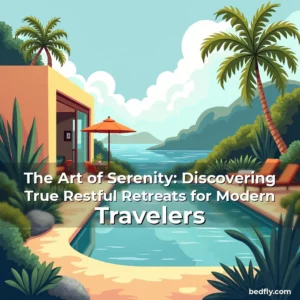

The Art of Serenity: Discovering Restful Retreats That Recharge Your Soul
In an age where productivity often eclipses peace, restful retreats have emerged as sanctuaries designed not merely to relax but to rejuvenate the spirit. These havens offer escape from the relentless pace of modern life, inviting individuals to reconnect with themselves and their surroundings.
Whether nestled in lush forests, serene mountains, or tranquil coastal landscapes, restful retreats provide experiences tailored to restore balance and foster inner calm. They are more than places to sleep; they are gateways to self-discovery and holistic well-being.
The Essence of True Relaxation: What Makes a Restful Retreat Unique?
A true restful retreat transcends conventional vacation destinations by prioritizing deep relaxation over superficial entertainment. Unlike typical resorts that emphasize amenities such as spas and pools, these retreats cultivate environments conducive to mental clarity and emotional healing.
They achieve this through intentional design elements—natural light filtering through floor-to-ceiling windows, soothing color palettes inspired by nature, and soundscapes featuring gentle rainfall or rustling leaves. Every aspect is curated to dissolve stress and awaken senses long dulled by urban living.
One defining characteristic is the emphasis on mindfulness practices integrated seamlessly into daily routines. From guided meditation sessions at sunrise to yoga classes beneath ancient trees, activities are structured around enhancing present-moment awareness rather than filling time with distractions.
Moreover, many retreat centers adopt minimalistic interiors devoid of digital clutter. Phones are often stored away in communal lockers during stays, encouraging participants to unplug physically while recharging mentally and emotionally.
- Natural Elements: Incorporating natural materials like wood, stone, and plants creates spaces that feel organic yet refined.
- Sustainable Practices: Eco-friendly initiatives such as solar energy usage and locally sourced meals align with wellness goals by reducing environmental impact.
- Cultural Immersion: Some retreats offer authentic cultural experiences through local traditions, crafts, or culinary workshops.
The result is a transformative experience where guests leave feeling lighter, calmer, and more aligned with their personal values and aspirations.
This deliberate approach sets restful retreats apart from other forms of travel, making them ideal for those seeking meaningful pauses in their busy lives.
Unveiling Hidden Gems: Top Destinations Around the Globe for Restful Retreats
From misty mountain ranges to sun-kissed beaches, the world offers countless locations perfect for restful retreats. Choosing the right destination depends largely on individual preferences regarding climate, scenery, and available activities.
For example, Japan’s Kyoto region provides a blend of traditional culture and peaceful gardens, offering visitors a chance to immerse themselves in centuries-old Zen philosophies. In contrast, New Zealand’s Abel Tasman National Park presents breathtaking coastal vistas paired with opportunities for kayaking and hiking amidst untouched wilderness.
Europe also boasts numerous gems suitable for restful escapes. Tuscany in Italy combines rolling vineyards with historic architecture, creating an atmosphere steeped in artistry and tranquility. Meanwhile, Norway’s fjords deliver awe-inspiring landscapes surrounded by silence broken only by the occasional bird call or distant waterfall.
Each location carries its own charm, ensuring there’s always something new to discover depending on what kind of reset one seeks—from complete isolation to mild social engagement within like-minded communities.
Trends Shaping Modern Retreat Experiences
Recent years have seen significant shifts in how people perceive and engage with restful retreats. One notable trend involves increased demand for personalized programs catering specifically to mental health needs such as anxiety reduction or trauma recovery.
Data shows that nearly 68% of millennials prioritize wellness-focused getaways when planning vacations compared to previous generations who favored leisure activities centered around adventure sports or shopping excursions.
Additionally, remote work arrangements have led some professionals to seek out longer-term retreat options allowing them to maintain career responsibilities without sacrificing quality downtime. This has given rise to hybrid retreat models combining professional development seminars with ample free time for reflection and recreation.
As societal attitudes towards mental health continue evolving positively, so too does the landscape of restful retreat offerings become increasingly diverse and inclusive across demographics and lifestyles.
Crafting the Perfect Itinerary: Planning Your Journey to Inner Peace
Planning a successful restful retreat begins with understanding your primary objectives—whether you’re looking for solitude, connection with others sharing similar interests, or simply a break from routine pressures. Clarifying intentions helps determine which type of retreat best suits your needs.
Consider factors such as duration (short weekend escapes versus multi-week immersions), preferred activity levels (highly active vs. completely passive), and desired level of interaction with fellow attendees. Many retreats now offer flexible schedules accommodating different paces and expectations.
Researching potential venues thoroughly ensures alignment between expectations and actual experiences. Look beyond promotional material to read reviews from past participants detailing both positive aspects and any unforeseen challenges they encountered during their stay.
Contacting organizers ahead of arrival can clarify logistical details including transportation requirements, dietary accommodations, and any necessary preparations prior to check-in. Being informed reduces surprises upon arrival, allowing full immersion from day one.
Finally, preparing mentally before departure proves crucial. Engaging in preliminary practices like journaling or setting clear intentions increases likelihood of deriving maximum benefit from the retreat environment once immersed within it fully.
With thoughtful preparation, each journey becomes less about escaping reality temporarily and more about cultivating sustainable habits supporting ongoing well-being post-retreat.
Beyond Borders: How International Travel Enhances Restful Retreat Experiences
Traveling internationally opens doors to profound restorative journeys rarely accessible domestically. Exposure to foreign cultures enriches perspectives while providing fresh stimuli essential for cognitive renewal and creative inspiration.
Countries renowned for their holistic wellness approaches serve as particularly compelling choices—for instance, Thailand’s wellness tourism industry caters extensively to travelers seeking Ayurvedic treatments alongside spiritual growth opportunities via temple visits and meditation sessions under expert guidance.
Mexico’s Oaxaca Valley blends indigenous wisdom with contemporary wellness techniques through farm-to-table dining experiences coupled with artisanal workshops promoting hands-on learning about traditional healing methods passed down through generations.
Such international adventures challenge assumptions formed within familiar settings, fostering greater adaptability and openness toward alternative ways of living harmoniously with oneself and the planet.
The cross-cultural exchange inherent in global retreat participation builds empathy and broadens horizons far beyond mere physical relaxation alone.
Ultimately, venturing abroad transforms ordinary relaxation trips into extraordinary soul-searching expeditions capable of reshaping core beliefs about happiness, success, and fulfillment.
Embracing Digital Detox: Technology-Free Zones Within Retreat Spaces
An integral component distinguishing exceptional restful retreats lies in their commitment to technology-free zones that encourage disconnection from constant connectivity demands dominating everyday existence outside these sacred spaces.
Many high-end retreat facilities implement strict no-phone policies during designated hours, replacing electronic devices with analog alternatives like hand-crank radios tuned exclusively to nature sounds or classic music playlists curated to induce calmness rather than distraction.
Some even go further by offering optional smartphone storage solutions enabling guests to voluntarily surrender their gadgets until departure—an act symbolizing release from digital obligations weighing heavily on modern consciousness.
These measures create safe havens where individuals reclaim autonomy over attention spans previously hijacked by endless notifications demanding immediate responses regardless of context or appropriateness.
By consciously choosing to limit technological interference, retreat participants gain invaluable insight into how much mental bandwidth was being consumed unnecessarily by external inputs competing against internal priorities related to self-care and introspection.
This conscious withdrawal facilitates deeper connections with surrounding environments and fosters heightened sensory awareness typically dulled by prolonged exposure to screens emitting blue light known to disrupt circadian rhythms negatively impacting overall health outcomes.
Fostering Community Connections: Shared Journeys Toward Wellness
While solitary contemplation holds immense value, many find added benefits emerge from participating in group-based retreat experiences where shared journeys cultivate bonds among peers navigating parallel paths toward improved well-being.
Structured communal activities ranging from morning circle discussions exploring themes relevant to current life stages to collaborative cooking classes utilizing seasonal ingredients promote mutual support systems strengthening resilience against future stressors.
Even simple acts like walking together along scenic trails or meditating side-by-side reinforce collective mindfulness efforts amplifying individual progress through peer encouragement and accountability mechanisms naturally arising within supportive networks.
Retreating collectively allows for honest conversations about struggles faced without fear of judgment since everyone shares common ground regarding desire for transformation albeit through potentially distinct approaches tailored uniquely according to personal circumstances.
Furthermore, witnessing others’ successes serves as powerful motivation reinforcing belief in possibility of change despite initial doubts or setbacks encountered along the way.
This sense of belonging nurtured within retreat communities lays foundation for lasting friendships rooted in authenticity rather than surface-level acquaintanceships formed casually elsewhere.
Integrating Nature Therapy Into Daily Life After the Retreat
Although temporary immersion in nature-rich environments delivers substantial relief from accumulated tension, sustaining benefits requires integrating nature therapy principles into daily routines following return home from a restful retreat experience.
Simple strategies include dedicating fifteen minutes each morning to observe surroundings mindfully whether sitting on porch steps watching birds flit overhead or strolling nearby parks noting changes occurring seasonally affecting plant life cycles.
Creating indoor green spaces through houseplants strategically placed near workstations encourages presence of living organisms contributing positively toward mood regulation by releasing oxygen and absorbing toxins improving air quality indirectly influencing mental acuity levels throughout workday.
Educational resources available online help identify native species appropriate for local climates ensuring continued appreciation for biodiversity thriving outdoors despite urban encroachment threatening wild habitats globally.
Regular outdoor exercise combined with mindful breathing exercises practiced consistently reinforces neural pathways associated with calmness developed during retreat periods thereby extending therapeutic effects indefinitely provided maintenance remains consistent overtime.
Engaging neighbors or coworkers in small-scale gardening projects promotes social cohesion simultaneously fulfilling personal wellness goals demonstrating how interconnected our wellbeing truly is with broader ecological systems we inhabit daily.
Cultivating Gratitude Through Mindfulness Practices Encountered During Retreats
Among various tools offered within restful retreat contexts, gratitude cultivation stands out as highly effective method for recalibrating thought patterns skewed toward negativity resulting from chronic stress accumulation experienced commonly nowadays.
Daily gratitude journals maintained meticulously document moments deserving recognition thus shifting focus away from perceived lacks toward appreciating abundance already existing within reach irrespective of socioeconomic status or geographical location.
Prompting reflections upon three things genuinely valued each evening before retiring instills habit forming automatic response redirecting brain chemistry toward positivity increasing serotonin production linked closely with feelings of satisfaction and contentment.
Group sharing circles dedicated solely to expressing heartfelt thanks witnessed amongst participants strengthen interpersonal relationships because vulnerability expressed freely builds trust accelerating bonding processes otherwise requiring extended periods spent getting acquainted normally.
Eventually, carrying forward this practice post-retreat enables continuous reinforcement of optimistic outlooks counteracting cynicism creeping insidiously when exposed repeatedly to negative news cycles saturating media consumption channels ubiquitously present today.
Thus, embedding gratitude rituals permanently within lifestyle choices ensures enduring psychological advantages derived initially during immersive retreat experiences persist beneficially long after official program conclusions occur marking end points rather than final destinations concerning personal evolution trajectories pursued relentlessly thereafterwards.
Conclusion
Restful retreats represent more than fleeting escapes—they signify strategic investments in long-term happiness and vitality achievable through deliberate pursuit of balanced living incorporating essential components of self-awareness, environmental harmony, and genuine human connections.
To maximize returns from such endeavors, embrace every opportunity presented by carefully selected retreats serving dual purposes acting both as refuges restoring depleted energies and catalysts initiating permanent behavioral modifications leading ultimately toward enriched existence characterized predominantly by joy, purpose, and serenity.

news is a contributor at BedFly. We are committed to providing well-researched, accurate, and valuable content to our readers.
You May Also Like

Related Articles