

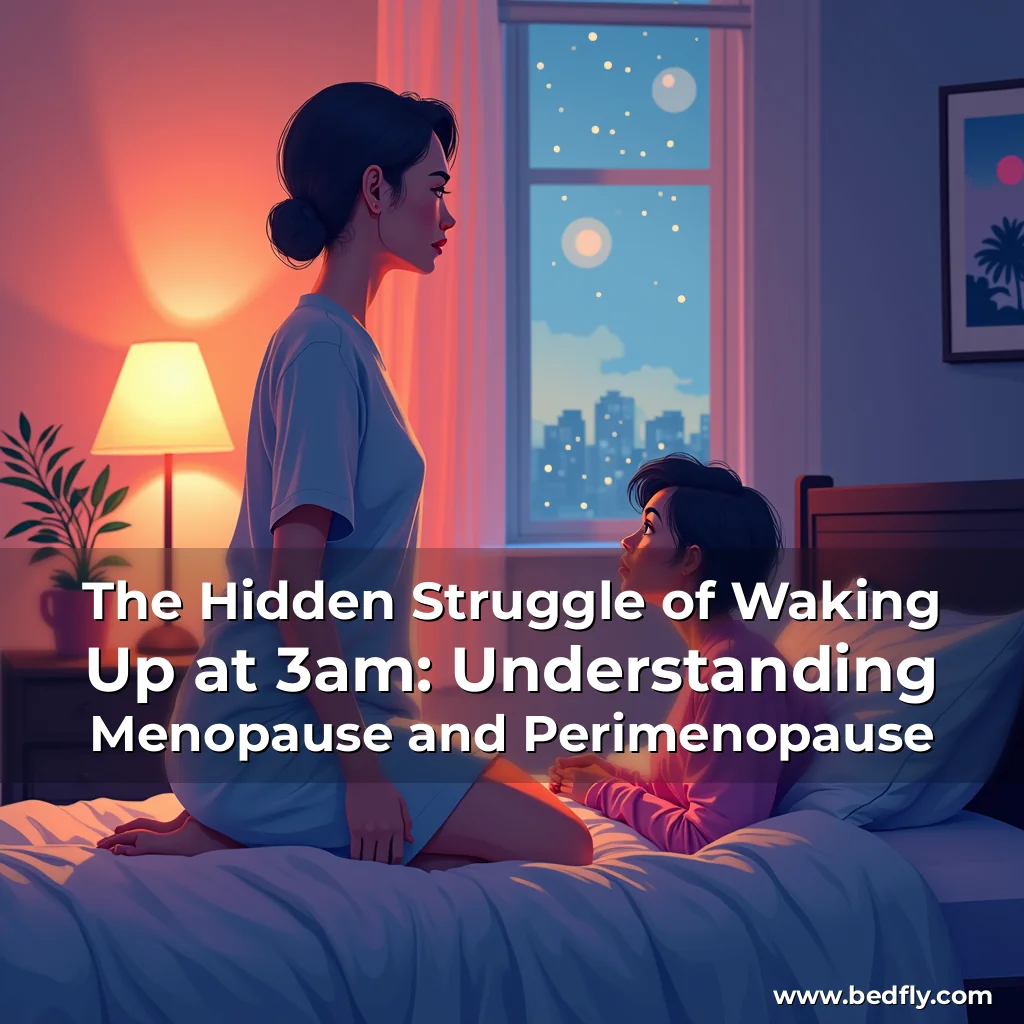
The struggle to fall asleep can be a daunting challenge for many women, but for those going through menopause or perimenopause, it can be a particularly frustrating issue. As we explore the world of sleep and its intricate connections to our hormonal balance, let’s delve into the world of menopause and perimenopause.
The Impact of Hormonal Shifts on Sleep
Menopause is a natural biological phenomenon marking the stage in a woman’s life when her menstrual cycles end due to reduced hormone levels, especially estrogen. It typically occurs naturally between the ages of 45 and 55, but can happen earlier or later for various reasons. Perimenopause is the transitional period leading up to menopause, which can result in fluctuating hormone levels and irregular menstrual cycles. The primary symptoms of menopause and perimenopause include hot flushes, night sweats, sleep disturbances, mood swings, vaginal dryness, and changes in sexual desire.
- Hot flushes and night sweats can disrupt sleep patterns, making it challenging to fall asleep and stay asleep throughout the night.
- Irregular menstrual cycles can lead to mood swings, anxiety, and depression, further exacerbating sleep disturbances.
- Changes in estrogen and progesterone levels can affect the body’s natural sleep-wake cycle, leading to insomnia and sleep disturbances.
The Science Behind Waking Up at 3am
Research into our 24-hour body clock, known as the circadian rhythm, has revealed that cortisol levels naturally start to rise between 2am and 3am. If you’re already feeling stressed or anxious, this natural increase in cortisol could be the reason why you’re waking up at these early hours. It’s not uncommon for women, particularly those under chronic stress, to experience elevated nighttime cortisol. This can lead to wake-ups between 2am and 4am, making it difficult to fall back asleep.
| Effects | Percentage Increase |
|---|---|
| 29% increased likelihood of sleep disturbance | 41.7% prevalence of insomnia |
Solutions for Women Struggling with Sleep
Fortunately, there are several strategies that can help alleviate sleep disturbances during menopause and perimenopause. These include:
- Eating a balanced dinner with protein, healthy fats, and fibre to keep blood sugar steady overnight.
- Avoiding caffeine and alcohol close to bedtime to minimize their impact on sleep.
- Incorporating magnesium-rich foods or supplements into your diet to promote relaxation and reduce stress.
- Trying herbal teas like chamomile, lavender, or peppermint to soothe the mind and body before bed.
- Engaging in regular exercise, but avoiding vigorous training sessions close to bedtime to maintain a healthy sleep-wake cycle.
Conclusion
Waking up at 3am can be a frustrating and demoralizing experience, but it’s essential to recognize that it’s often a symptom of a larger issue – hormonal shifts and stress. By understanding the science behind sleep disturbances and implementing targeted strategies, women can reclaim their restful sleep and improve their overall quality of life. It’s time to acknowledge the silent epidemic of perimenopausal sleep disruption and work together to provide better care and support for those affected.

news is a contributor at BedFly. We are committed to providing well-researched, accurate, and valuable content to our readers.
You May Also Like





Related Articles