
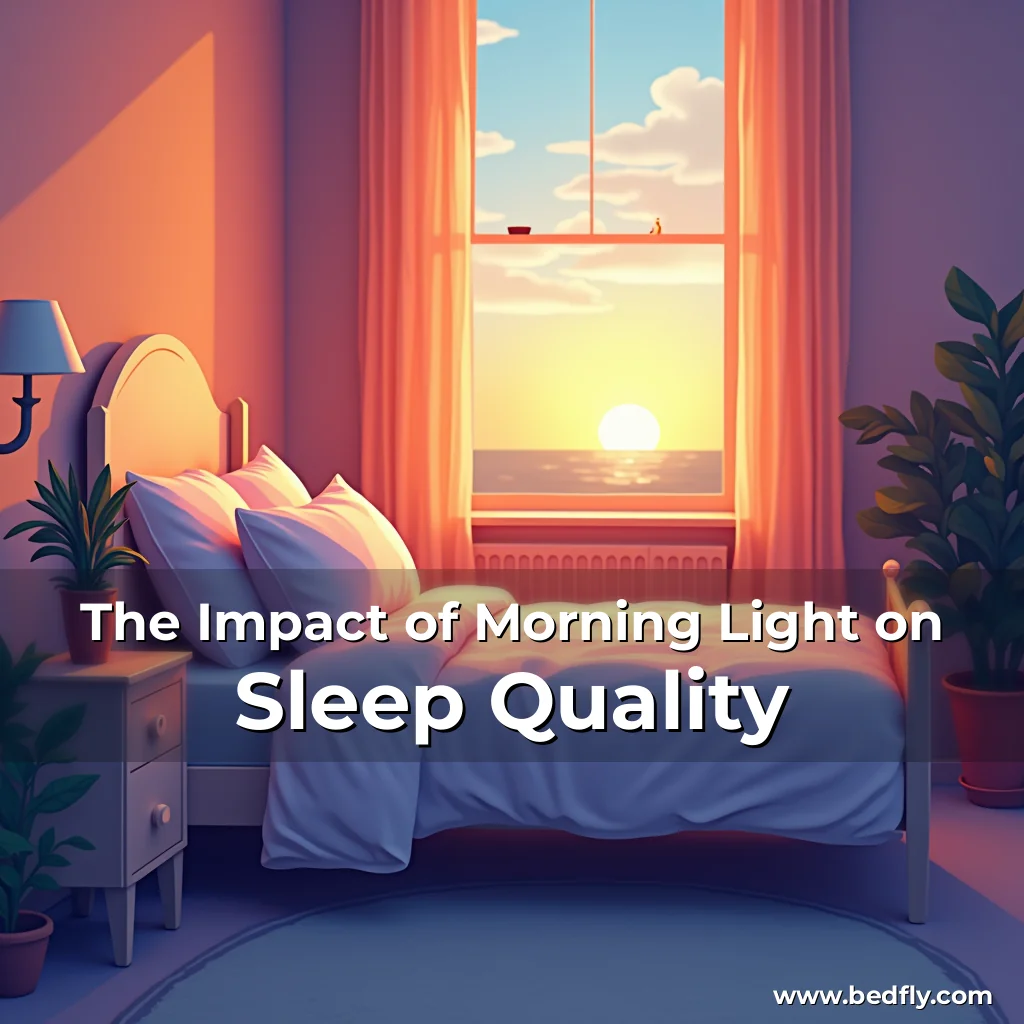
The Power of Morning Light on Sleep Patterns
Breakdown of the Study’s Findings
- Exposure to natural light at any time of day up to noon had a positive effect on sleep patterns
- Exposure to natural light in the morning was more important than exposure in the afternoon or evening
- Exposure to light in the morning helped to regulate the body’s circadian rhythm
Key Takeaways
- The timing of light exposure, not just the duration, is crucial for sleep regulation
- Exposure to natural light in the morning helps to set the body’s internal clock
- Individuals with disrupted circadian rhythms may benefit from morning light exposure
What Does the Research Mean?
“We know that sleep is really important for pretty much every type of health we have and we are not getting enough sleep. A third of us are getting less than six hours of sleep, and then many of us as well are just not getting sufficient sleep, so we’re not feeling rested. What they did was looked at 100 adults for 70 days and asked these individuals to report when they they were exposed to natural light and what type of sleep they had that evening. Basically, they were asked to say whether they had the outdoor light exposure in the morning, middle of the day or the evening.” – Prof Annie Curtis, Circadian Biologist
| Benefits of Morning Light Exposure |
|
How Does the Body Differentiate Between Light and Darkness?
Our bodies can differentiate between different kinds of light. For example, we get a different spectrum of light in the morning and evening. The morning light has a different spectrum and wavelength than the evening light.
Our bodies are also different in the morning and evening due to our body clock.
Examples of Morning Light Exposure
- Going for a short walk during breakfast
- Taking a short break outside during work hours
- Getting some natural light while reading a book outside
Conclusion
The study’s findings suggest that exposure to natural light at any time of day up to noon can have a positive effect on sleep patterns. The timing of light exposure, not just the duration, is crucial for sleep regulation. Exposure to natural light in the morning helps to set the body’s internal clock, and individuals with disrupted circadian rhythms may benefit from morning light exposure. By incorporating morning light exposure into your daily routine, you can improve your sleep quality and overall well-being.

news is a contributor at BedFly. We are committed to providing well-researched, accurate, and valuable content to our readers.
You May Also Like





Related Articles