

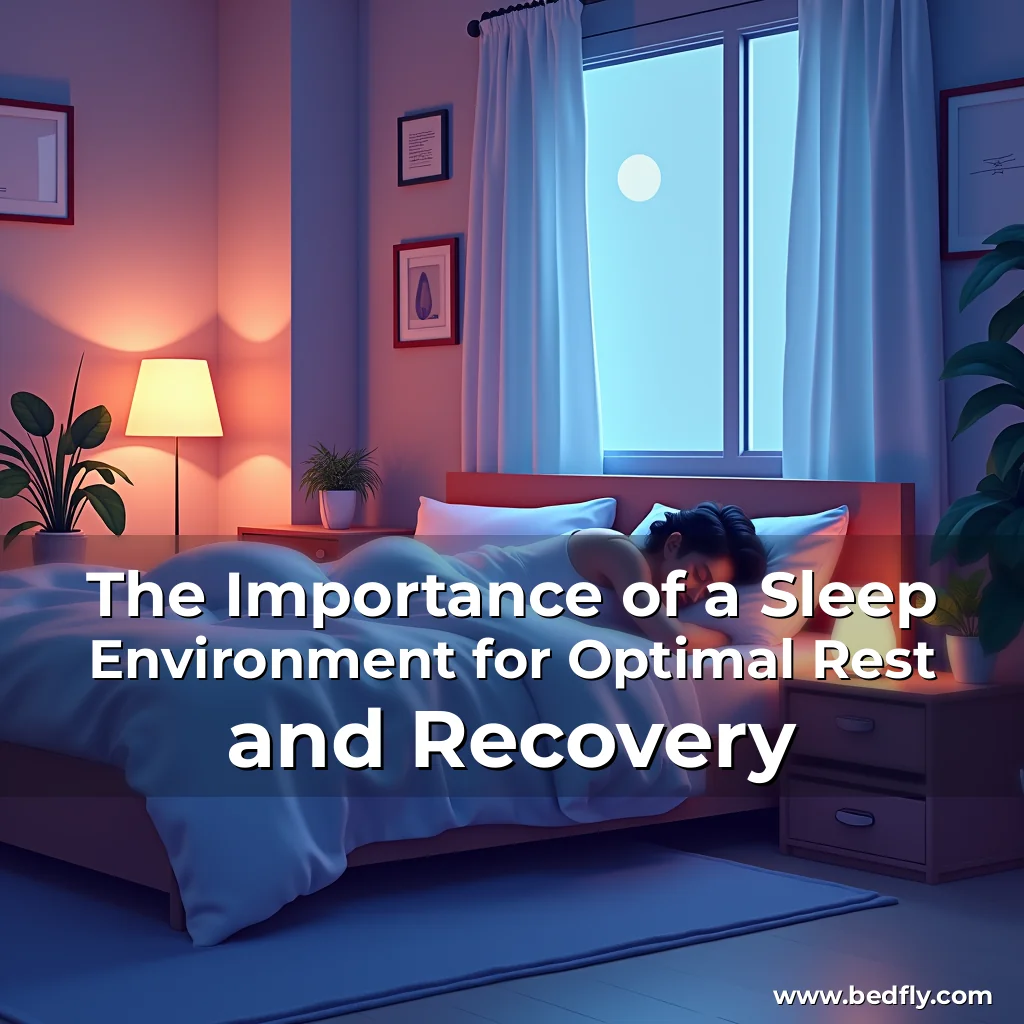
The Power of Sleep Environment
The Power of Sleep Environment
We often underestimate the profound impact our surroundings have on the quality of our sleep. The science behind sleep quality is complex, involving various stages of sleep, including light sleep, deep sleep, and REM (Rapid Eye Movement) sleep. Disruptions to these stages, often caused by environmental factors, can lead to poor sleep quality and long-term health consequences.
The Role of Environmental Factors in Sleep Quality
Noise: The Silent Sleep Disruptor
Noise can prevent the brain from reaching the deeper, more restorative stages of sleep. Experts recommend using white noise machines or earplugs to mask disruptive sounds. Additionally, soundproofing techniques, such as double-glazed windows or thick curtains, can significantly reduce noise pollution and create a more serene sleep environment.
Light Exposure and Circadian Rhythms
Light exposure plays a pivotal role in regulating our circadian rhythms, the internal clock that governs our sleep-wake cycle. Excessive artificial light, particularly blue light emitted from screens, can delay the production of melatonin, the hormone responsible for inducing sleep.
Temperature and Humidity Control
Temperature is another critical factor. The body’s core temperature naturally drops during sleep, and a cool room can facilitate this process. The ideal bedroom temperature generally falls between 60 to 67 degrees Fahrenheit (15 to 19 degrees Celsius). Overly warm or cold environments can disrupt this balance and impair sleep.
The Role of Air Quality
Air quality is frequently overlooked when considering sleep environment. Pollutants, allergens, and volatile organic compounds (VOCs) from furniture, paints, and cleaning products can contribute to respiratory problems and allergies, interfering with sleep.
The Psychological Component: A Sanctuary for Sleep
Beyond physical elements, the psychological aspect of a sleep environment is equally important. Cluttered, disorganized spaces can evoke feelings of stress and anxiety, making it harder to unwind.
The Importance of Bedding and Sleep Accessories
The Materials We Sleep On and Under Directly Affect Comfort and Health
Non-toxic bedding, such as organic cotton, bamboo, or linen, minimizes exposure to harmful chemicals and allergens. As emphasized by resources like Or & Zon, opting for natural, breathable fabrics helps regulate body temperature and moisture, contributing to a more restful sleep.
Pillows and Mattresses Also Warrant Careful Selection
An unsupportive mattress or pillow can lead to musculoskeletal discomfort, preventing deep sleep. Investing in high-quality, ergonomically designed bedding is an investment in long-term health.
The Role of Technology in Optimizing Sleep
Modern Technology Offers Several Tools to Enhance Sleep Quality
Sleep tracking devices can provide valuable insights into sleep patterns and help identify disruptions. Smart thermostats can adjust room temperature automatically, ensuring optimal conditions throughout the night.
However, Technology Should Be Used Judiciously
Overreliance on screens and gadgets can counteract their intended benefits. The key is to find a balanced approach that integrates technology without introducing new sources of disruption.
Sleep Disorders and Environmental Factors
Certain Sleep Disorders, Such as Insomnia, Sleep Apnea, and Restless Leg Syndrome, Can Be Exacerbated by Environmental Conditions
Individuals experiencing persistent sleep issues should consult healthcare professionals. Addressing environmental factors often forms a crucial part of comprehensive treatment plans for sleep disorders.
The Broader Impact on Mental Health
Quality Sleep Profoundly Influences Mental Well-being
Poor sleep has been linked to mood disorders such as depression and anxiety. A supportive sleep environment can help break the vicious cycle where stress leads to poor sleep, which in turn worsens mental health.
A Growing Public Health Concern
Sleep Deprivation is Increasingly Recognized as a Public Health Issue
The U.S. Department of Health and Human Services reports that one in three adults do not get sufficient sleep on a regular basis. This has prompted initiatives to raise awareness about sleep hygiene and environmental optimization as preventative health measures.
Practical Steps to Improve Your Sleep Environment
Creating an Ideal Sleep Environment Doesn’t Require a Complete Overhaul
• Invest in non-toxic, breathable bedding materials. • Use blackout curtains to eliminate external light sources. • Maintain a cool, consistent room temperature. • Use white noise machines or earplugs to mask disruptive sounds. • Incorporate calming colors and declutter the bedroom. • Use air purifiers and ensure proper ventilation. • Limit screen time before bed to reduce blue light exposure.
A Healthy Sleep Environment for Optimal Rest and Recovery
Creating an ideal sleep environment is crucial for optimal rest and recovery. By understanding the complex interplay between environmental factors and sleep quality, individuals can take proactive steps to optimize their sleeping spaces. Whether through small adjustments or comprehensive redesigns, prioritizing your sleep environment can yield significant, long-lasting benefits for both physical and mental health.

news is a contributor at BedFly. We are committed to providing well-researched, accurate, and valuable content to our readers.
You May Also Like





Related Articles