
**Sleepmaxxing: The Trend That’s Sweeping the Nation**
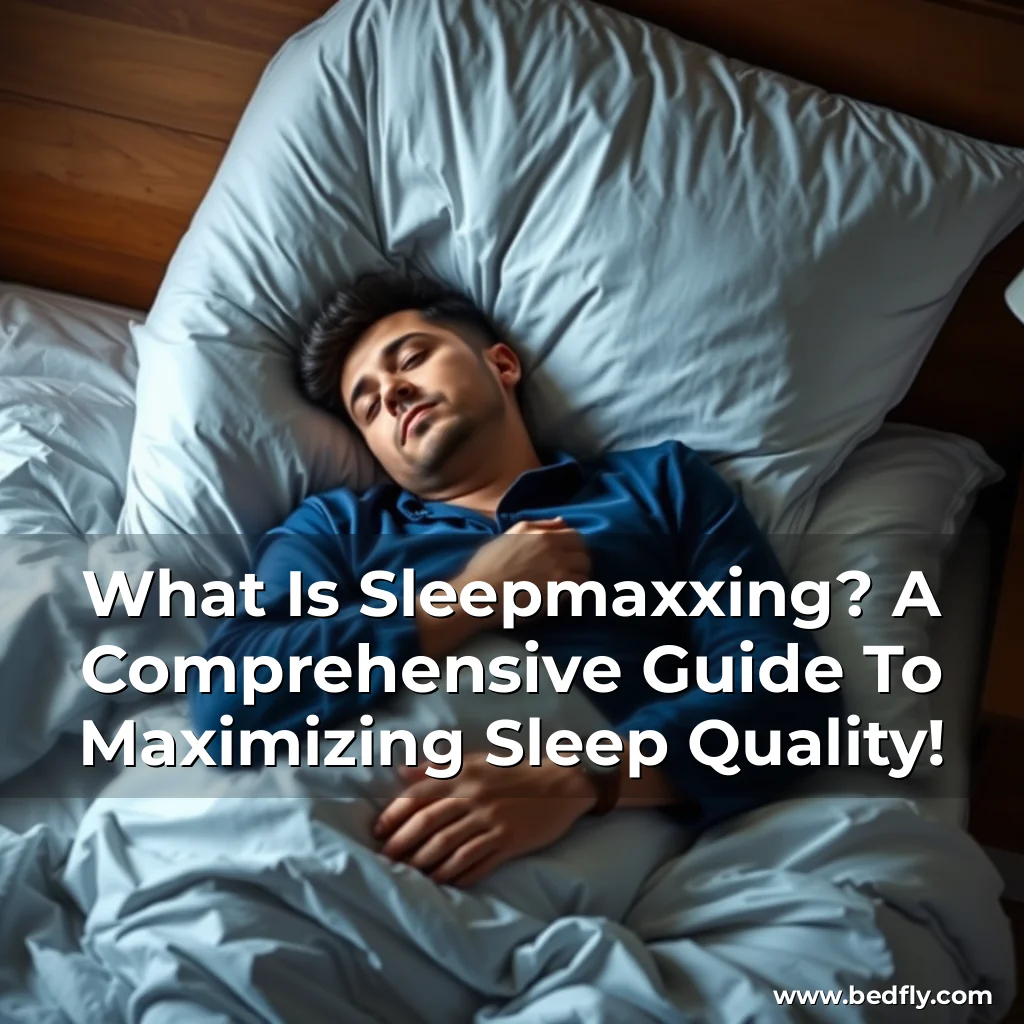
The quest for better sleep is a universal pursuit. As Arianna Huffington, founder and CEO of Thrive Global, aptly put it, “the way to a more productive, more inspired, more joyful life is getting enough sleep.” Yet, with more than one-third of adults sleeping less than seven hours per night, and up to two-thirds experiencing insomnia symptoms, sleep has become a pressing public health concern. In response, a viral trend has emerged: sleepmaxxing. **What is Sleepmaxxing?**
Sleepmaxxing, a term coined by the sleep community, refers to the collection of various techniques and hacks designed to optimize and improve sleep quality and quantity. Popularized on social media platforms like TikTok, sleepmaxxing has gained significant traction, with many individuals seeking to adopt this trend to enhance their sleep. However, it’s essential to approach sleepmaxxing with a balanced perspective and consult with experts when necessary. **Evidence-Based Techniques vs. Questionable Hacks**
While some sleepmaxxing techniques have solid scientific backing, others are more speculative. For instance, tips like using a cold room temperature, meditating daily for 30 minutes, and limiting caffeine and alcohol intake before bed are backed by research. However, other hacks, such as eating kiwis before bed, nasal dilator devices, or using red light therapy, require more investigation to determine their efficacy. **Examples of Sleepmaxxing Techniques**
Some sleepmaxxing techniques include:
- Avoiding caffeine and alcohol late in the day
- Creating a relaxing bedtime routine
- Meditating daily for 30 minutes
- Limiting screen time before bed
- Incorporating physical activity into your daily routine
- Using weighted blankets or a white noise machine
These techniques can help improve sleep quality and quantity. However, it’s crucial to remember that everyone’s sleep needs are unique, and what works for one person may not work for another. **Do Sleep Hacks Actually Work?**
Research has shown that some sleep hacks can be effective, but others lack strong scientific evidence. According to the Sleep Foundation, an estimated 50 million to 70 million people have ongoing sleep disorders, with insomnia, sleep apnea, and narcolepsy being the most common. While some sleep hacks may provide temporary relief, they often fail to address underlying sleep difficulties. **What Hacks Are Safe?**
Not all sleep hacks are disputed by science. Some techniques, such as setting a consistent sleep schedule, managing worry, and establishing a relaxing bedtime routine, are backed by research and can be effective in improving sleep quality. Other safe hacks include limiting screen time before bed, including physical activity in your daily routine, and avoiding bright lights and loud sounds in your bedroom. **What Hacks Should You be Cautious About Incorporating?**
Exercising caution is essential when exploring sleep hacks. Hacks disputed by science, such as mouth taping, nasal dilators, and eating kiwis before bed, require more investigation to determine their safety and efficacy. Additionally, supplements like melatonin and magnesium should be approached with caution, as their effects on sleep disorders are not well understood. **The Future of Sleepmaxxing**
While sleepmaxxing may be a fleeting trend, its underlying principles – prioritizing sleep, managing stress, and establishing a relaxing bedtime routine – are essential for overall health and wellness. As the sleep community continues to evolve, it’s crucial to approach sleep hacks with a balanced perspective and consult with experts to determine which techniques are safe and effective. Ultimately, the quest for better sleep is a journey that requires patience, persistence, and a commitment to prioritizing our most fundamental need: sleep.

news is a contributor at BedFly. We are committed to providing well-researched, accurate, and valuable content to our readers.
You May Also Like



Related Articles