


Dr Jennifer Caudle, Associate Professor at Rowan University, is among them. She suggests avoiding energising drinks like coffee, tea and fizzy drinks before hitting the hay.
The Risks of Eating Before Bed
Eating a large meal before bed can have several negative effects on the body. One of the most significant risks is heartburn. When we eat, our stomach muscles contract and release stomach acid to break down food. However, if we eat too close to bedtime, the stomach acid can flow back up into the esophagus, causing heartburn. • This can lead to discomfort, pain, and even bleeding in the esophagus. • Heartburn can also trigger acid reflux, which can further exacerbate the problem. Another risk of eating before bed is disrupted digestion. When we eat, our body breaks down the food into smaller molecules that can be absorbed and utilized for energy. However, if we eat too close to bedtime, our body may not have enough time to digest the food properly, leading to discomfort and indigestion. • Disrupted digestion can also lead to bloating, gas, and other digestive issues. • In severe cases, it can even lead to malnutrition and other health problems. Eating before bed can also have negative effects on dental health. When we eat, our teeth are exposed to acid and other substances that can damage the enamel and lead to cavities. However, if we eat too close to bedtime, our teeth may not have enough time to recover from the acid and other substances, leading to dental problems. • Dental issues can range from mild problems like tooth sensitivity to more severe issues like tooth decay and gum disease. • Regular dental check-ups and good oral hygiene practices can help prevent these problems. Finally, eating before bed can also lead to weight gain. When we eat, our body stores the energy from the food in the form of fat.
The Benefits of a No-Eating Window
Late-night eating can have negative effects on our health, including weight gain, digestive issues, and poor sleep quality. By establishing a no-eating window, we can avoid these negative consequences and promote overall well-being.
A no-eating window can be tailored to individual needs and preferences. Some people may find that a 2-3 hour window is sufficient, while others may need a longer or shorter period. The key is to find a balance that works for you and your lifestyle.
By implementing a no-eating window, you can take control of your eating habits and promote a healthier relationship with food.
Preparing for a Restful Night’s Sleep
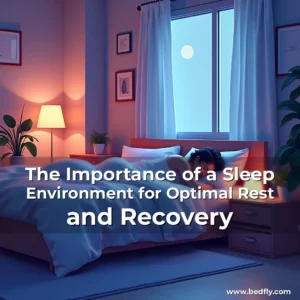
Creating a Sleep-Conducive Environment
A well-designed bedroom is essential for a restful night’s sleep. Consider the following factors when setting up your bedroom:
Establishing a Relaxing Bedtime Routine
Developing a consistent bedtime routine can signal to your body that it’s time to sleep.

news is a contributor at BedFly. We are committed to providing well-researched, accurate, and valuable content to our readers.
You May Also Like




Related Articles