
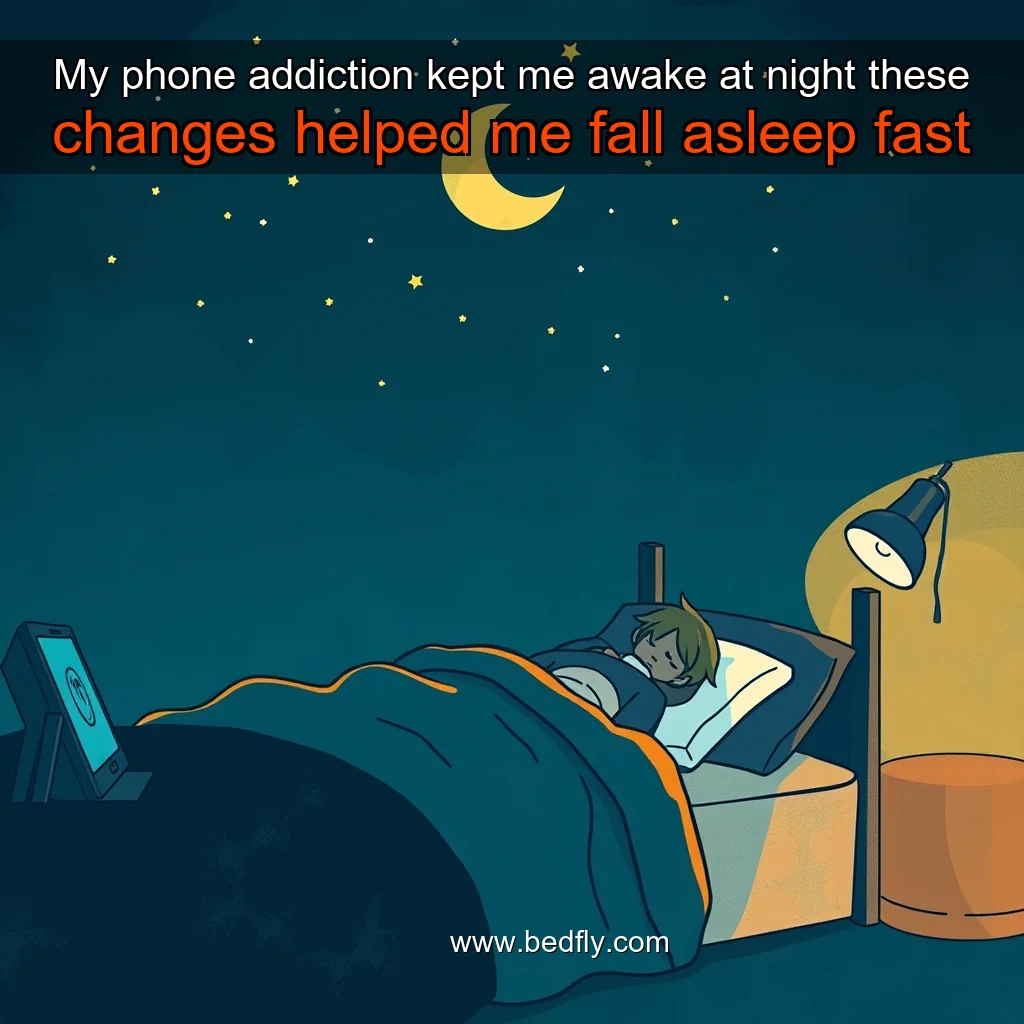
Breaking the cycle of nighttime scrolling requires self-awareness and strategic change. For months, I found myself wide awake at 1 AM, endlessly scrolling through social media, watching videos, and refreshing notifications. It wasn’t just a bad habit anymore — it became a form of addiction that was wrecking my sleep, my mood, and my productivity.
Here’s how I broke the cycle, what science says about it, and the habits that finally helped me fall asleep fast.
The Midnight Scrolling Trap
Nighttime phone use is more than a simple distraction. It becomes a coping mechanism for stress, boredom, or emotional overload. For me, it was all three.
I’d scroll “just for 5 minutes,” and suddenly an hour would disappear. The next day, I’d wake up exhausted and repeat the same pattern. Recognizing this was the first step toward breaking free.
Step 1: Identifying My Triggers
Before I could fix the habit, I needed to understand why I reached for my phone at night.
1. Boredom
When I wasn’t sleepy yet, I’d jump into social feeds or YouTube rabbit holes.
My fix: I replaced late-night scrolling with reading fiction or listening to calming music.
2. Stress
After a long day, doom-scrolling felt like “unwinding,” but it actually made me more anxious.
My fix: I switched to meditation and deep breathing exercises, which lowered my stress and helped me fall asleep faster.
3. Habit
Checking my phone was automatic — like muscle memory.
My fix: I moved the phone out of my bedroom completely. This single change made the biggest difference.
The Science Behind Why Phones Keep Us Awake
Blue Light Disrupts Sleep
Smartphones emit blue light, a type of high-energy visible (HEV) light that affects your brain’s internal clock. Blue light suppresses melatonin, the hormone that tells your body it’s time to sleep.
Blue light disrupts sleep by:
-
Suppressing melatonin production
-
Tricking your brain into thinking it’s daytime
-
Creating alertness instead of relaxation
This leads to:
-
Difficulty falling asleep
-
Lighter sleep
-
Poor sleep quality
-
Daytime fatigue
The Science Behind Social Media Addiction
Social media apps are built to keep you hooked.
How they do it:
-
Variable rewards: unpredictable likes, comments, or notifications — same principle as slot machines.
-
Social validation: the psychological boost from being noticed or appreciated.
-
Infinite scroll: removing stopping cues makes you scroll endlessly.
Recommended Reading: Minimalist Bedroom Decor Strategies and Implementation
This triggers dopamine loops that make you crave more.
The Positive Changes That Helped Me Sleep Fast
1. Reading More — Especially Fiction
When I replaced scrolling with reading, everything changed. Fiction has been shown to reduce stress and help the mind detach from daily life.
Benefits of reading before bed:
-
Reduces anxiety
-
Lowers stress
-
Relaxes the mind
-
Makes sleep come naturally
2. Stretching Before Bed
A short stretching routine helped both my body and mind transition into rest mode.
Physical benefits:
-
Reduced muscle tension and stiffness
-
Improved flexibility
-
Lower heart rate
-
Better blood circulation
Mental benefits:
-
Reduced anxiety
-
Improved mood
-
Clearer mind
A calm body = a calm mind.
3. Using Sound Machines (Hatch Restore 2)
I started using the Hatch Restore 2, which became a calming nightly ritual.
What helped the most:
-
Calming soundscapes: ocean waves, rain, white noise
-
Sundown mode: mimics sunset by gradually lowering brightness and volume
-
Consistent sleep routine: helps train your brain to wind down
The Sundowner feature especially made the nighttime transition smoother.
The Power of Mindfulness for Better Sleep
Practicing mindfulness — even for 5 minutes — helped me break the loop of intrusive thoughts and temptation to grab my phone.
Science-backed benefits:
The Journal of the American Medical Association reported that mindfulness meditation increases:
-
Deep sleep
-
REM sleep
-
Overall sleep quality
Mindfulness helps by:
-
Reducing stress
-
Lowering anxiety
-
Calming the nervous system
Step 2: Setting Boundaries
Recognizing the problem was important, but setting realistic boundaries made the improvement sustainable.
My new rules:
-
No phone in the bedroom
-
No screens at least 1 hour before sleep
-
A fixed time to check notifications
-
A consistent bedtime
These small shifts broke the cycle of constant checking.
The Reality: Using Phones in Bed Is Harmful
A study found that:
-
75% felt anxious or stressed after using their phones in bed
-
60% felt tired or fatigued the next morning
Phones stimulate the brain when it needs to wind down. Blue light plus mental engagement is the perfect recipe for insomnia.
Final Thoughts
My nighttime scrolling habit didn’t disappear overnight — but these changes made falling asleep easier than I ever expected.
If your phone is keeping you up at night, try:
-
Keeping it outside the bedroom
-
Replacing scrolling with reading
-
Stretching before bed
-
Using calming soundscapes
-
Practicing mindfulness
-
Setting screen-time boundaries
Tiny changes led to major improvements in my sleep, my focus, and my mental health. You can break the cycle too — one habit at a time.

news is a contributor at BedFly. We are committed to providing well-researched, accurate, and valuable content to our readers.
You May Also Like